
Exploring the Essence of Portraiture

PORTRAITS José Rodeiro

Dive into the captivating world of José Rodeiro’s portrait artistry, where each brushstroke unveils the profound essence of his subjects.
A Journey Through Faces

José Rodeiro’s Portrait Collection
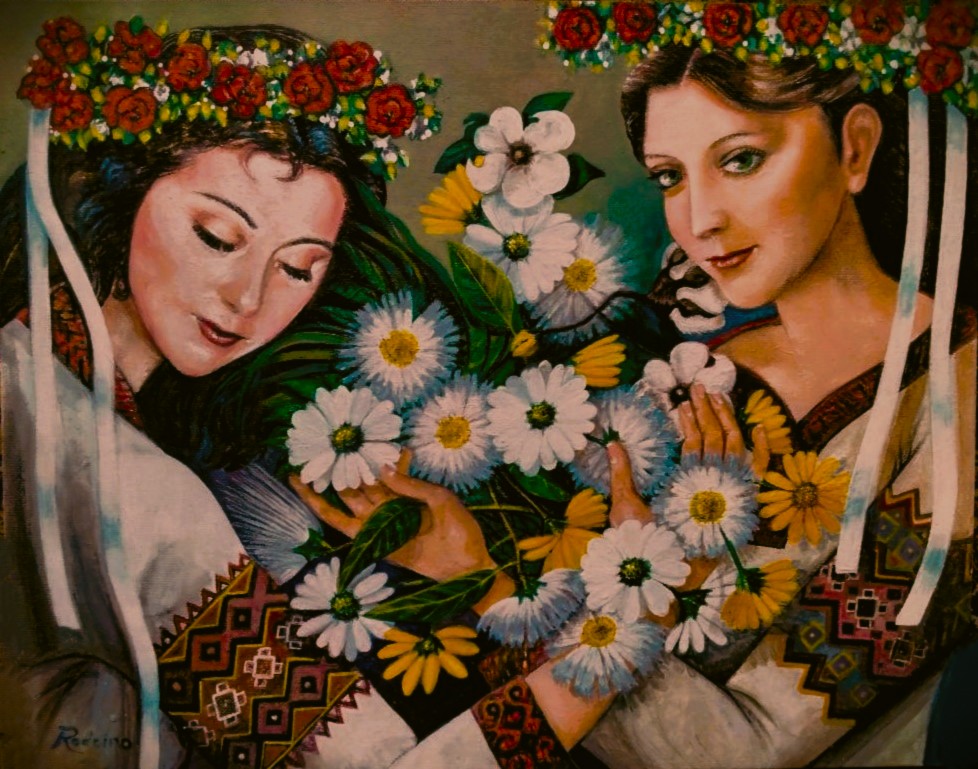
“Ukrainian Women with a Bouquet of Wild Flowers 2.”
acrylic on canvas-board. 16” x 20.” 2023.
 (Stephen and Joanne McElroy Collection),

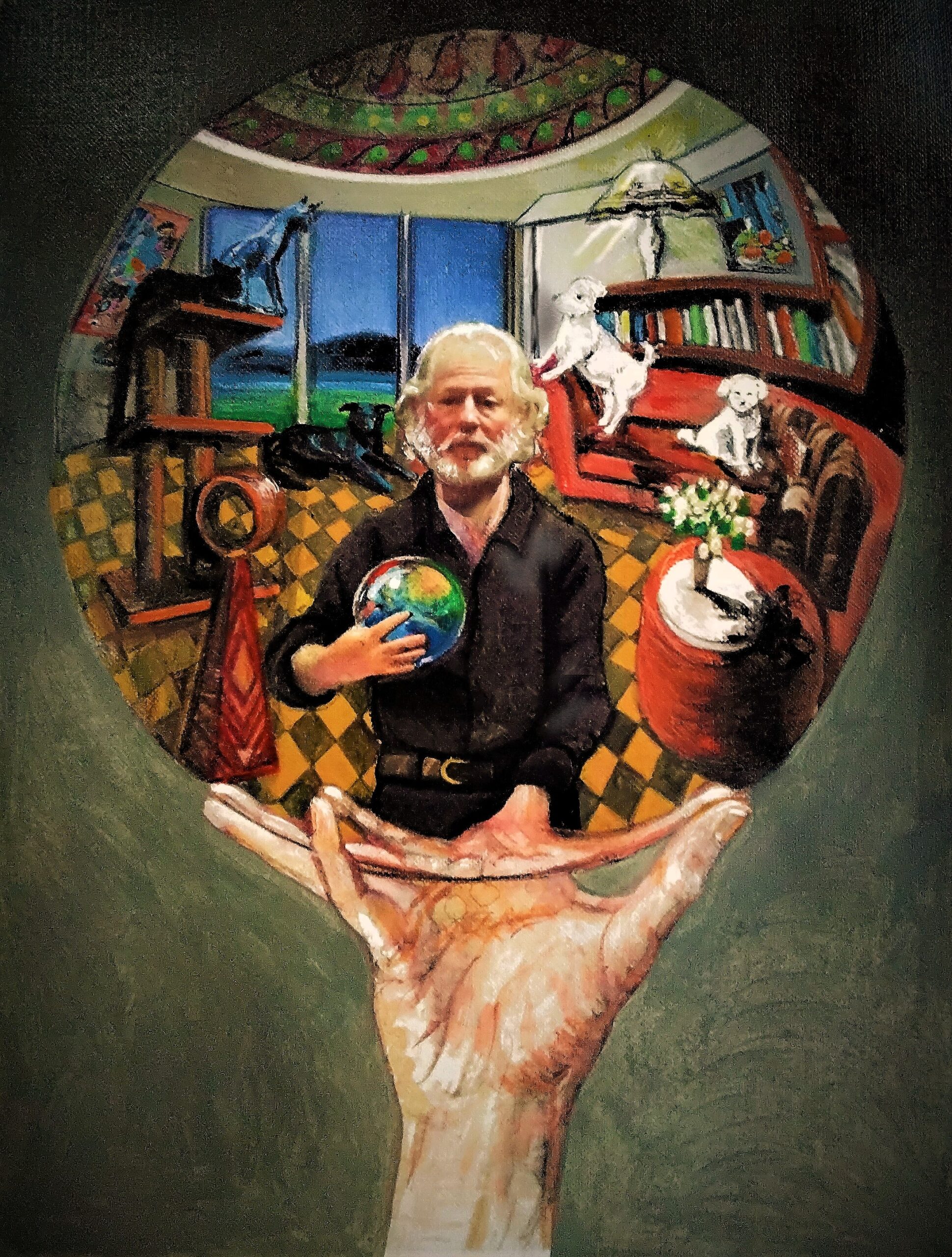
“Alan Britt Holding Two Glass Orbs.”
acrylic on illustrator’s board. 8” x 10.” (In 2021, this painting became. the cover-art for Alan Britt’s “Optical Illusions” (Concrete Mist Press, York, PA).
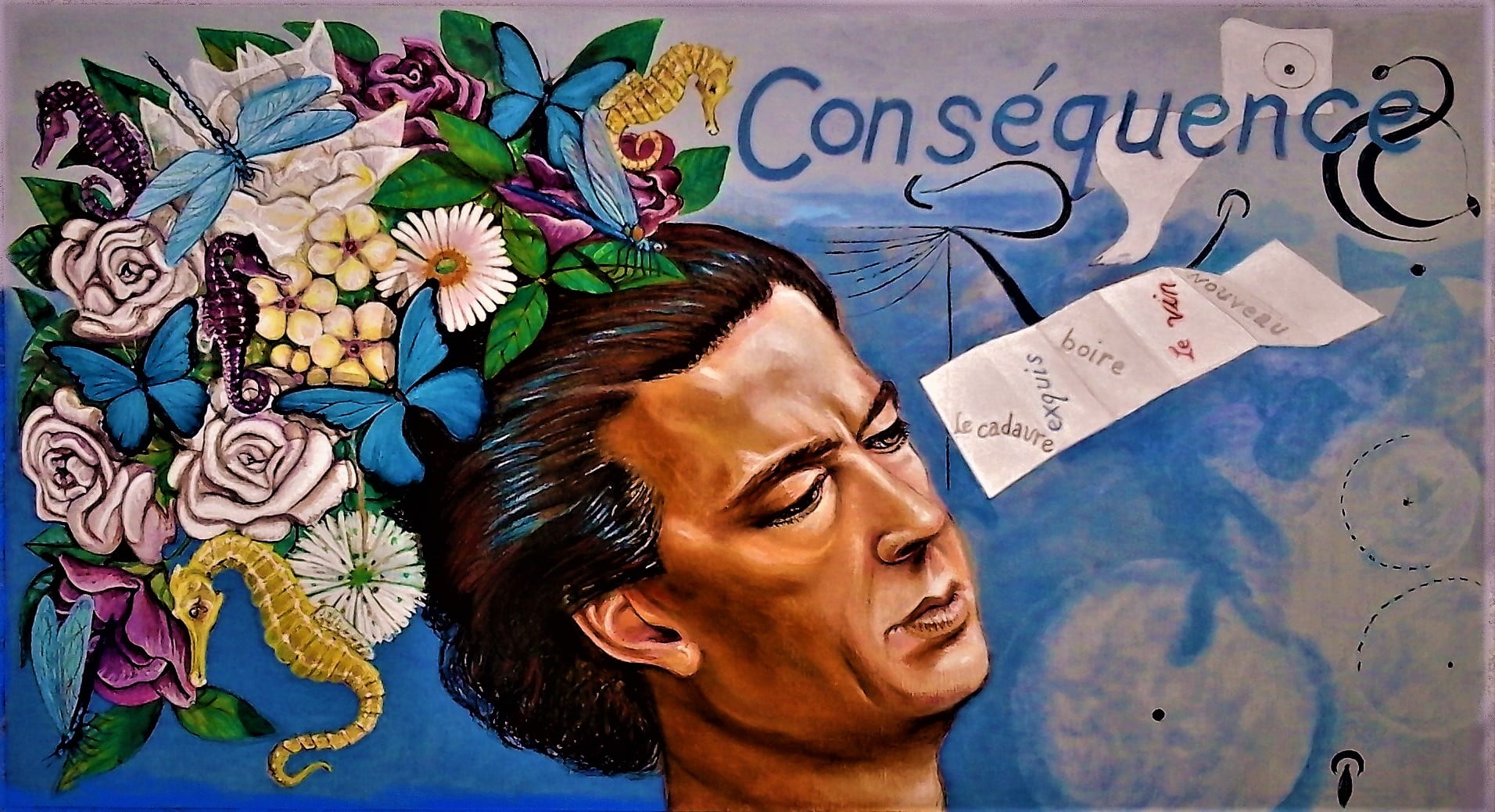
 “André Breton Inventing ‘The Exquisite Corpse Game’ (1925).”
Oil on wood, 2019. (part of Ann Marie Bizarretty’s “Exquisite Corpse Games,” Tampa Bay Area, FL).
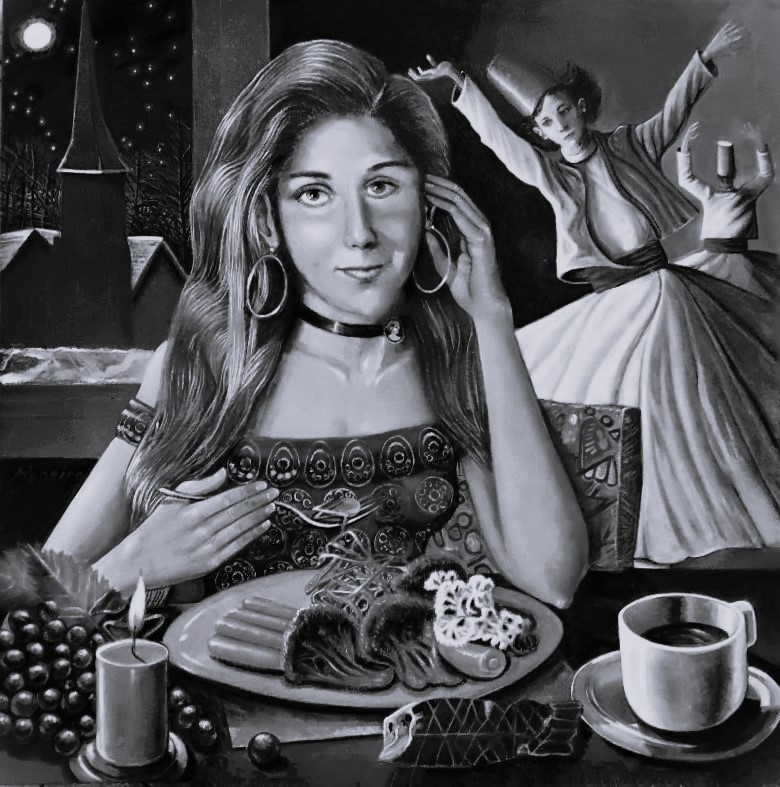
“A Poet’s Suppertime in Cumberland, Maryland.”
grisaille acrylic & ink, on canvas, 22⅓” x 22⅓.” 2024.
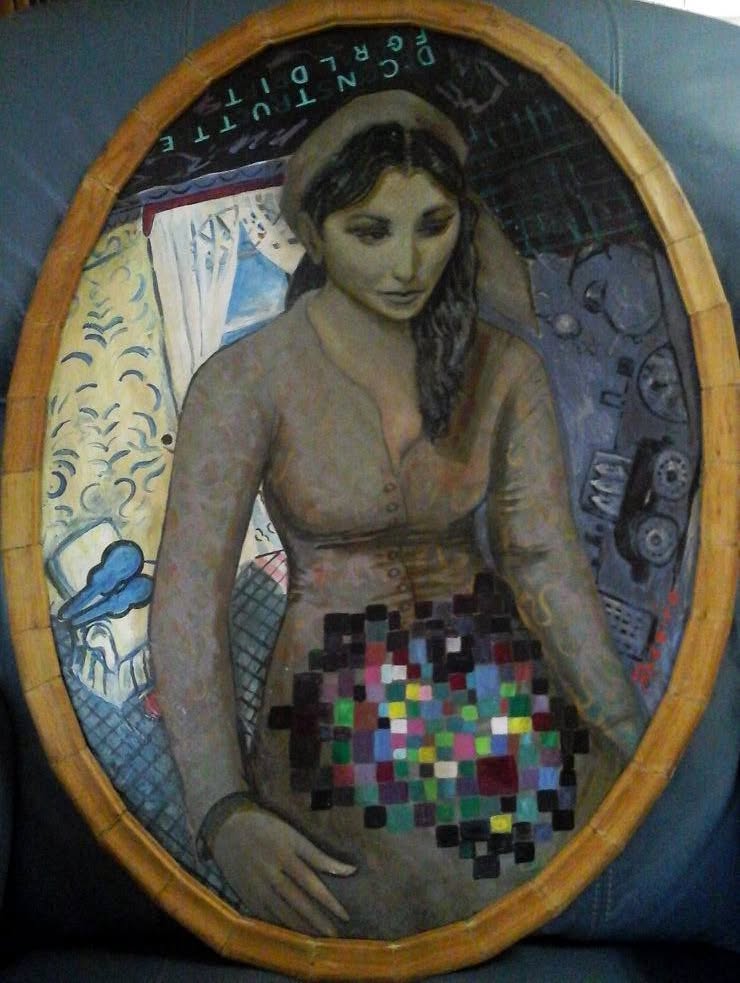
“Nutia Sitting in a Room.”
A semi-
grisaille oil on wood (oval). 28” x 19,” 1977. 
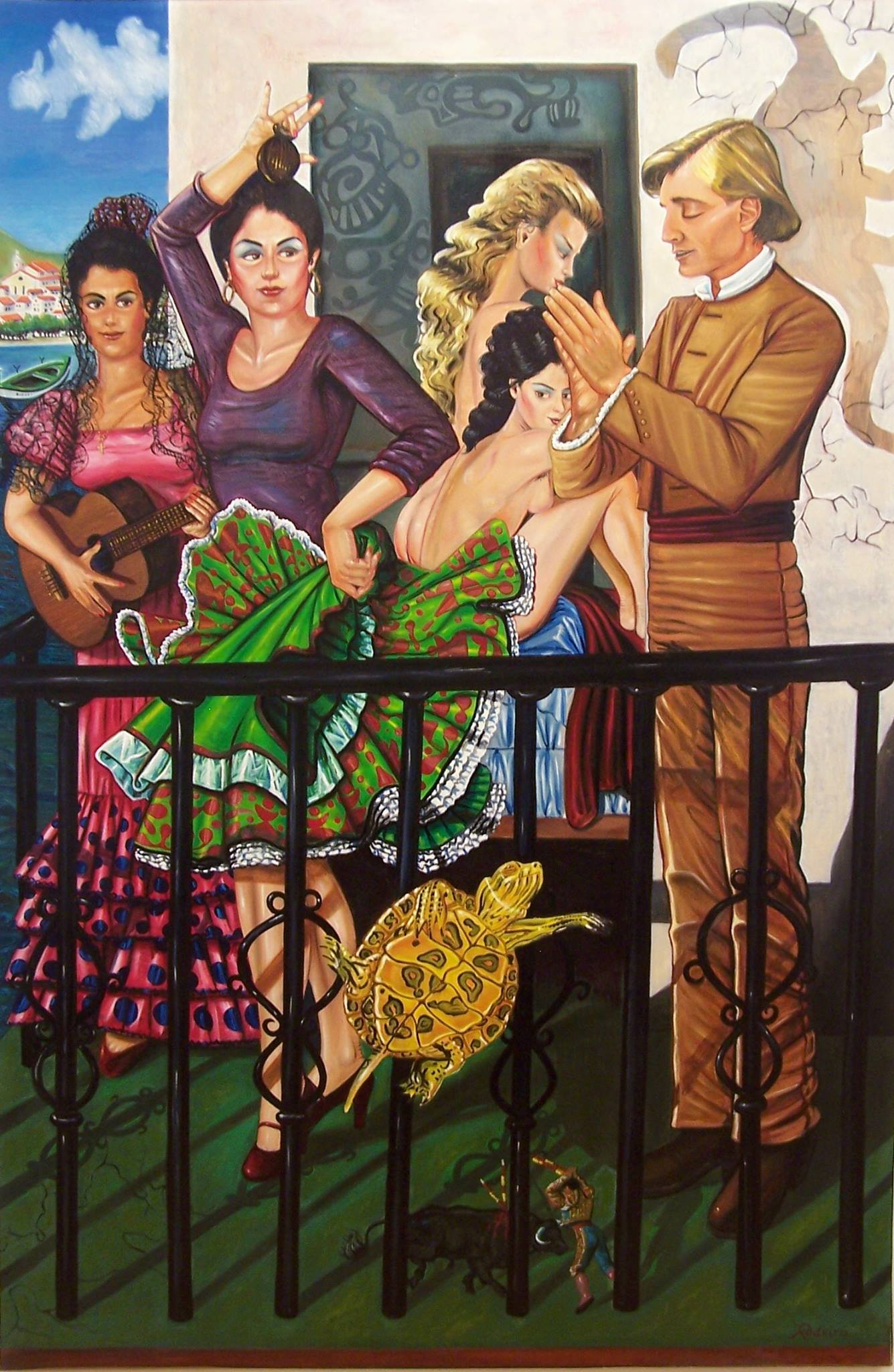
“Gypsies on a Cadiz Balcony.”
oil-on-linen. 4’ x 6’. (Collection of Robert Rosado).  (Both flamenco dancers in the painting are my older sister Joyce). 
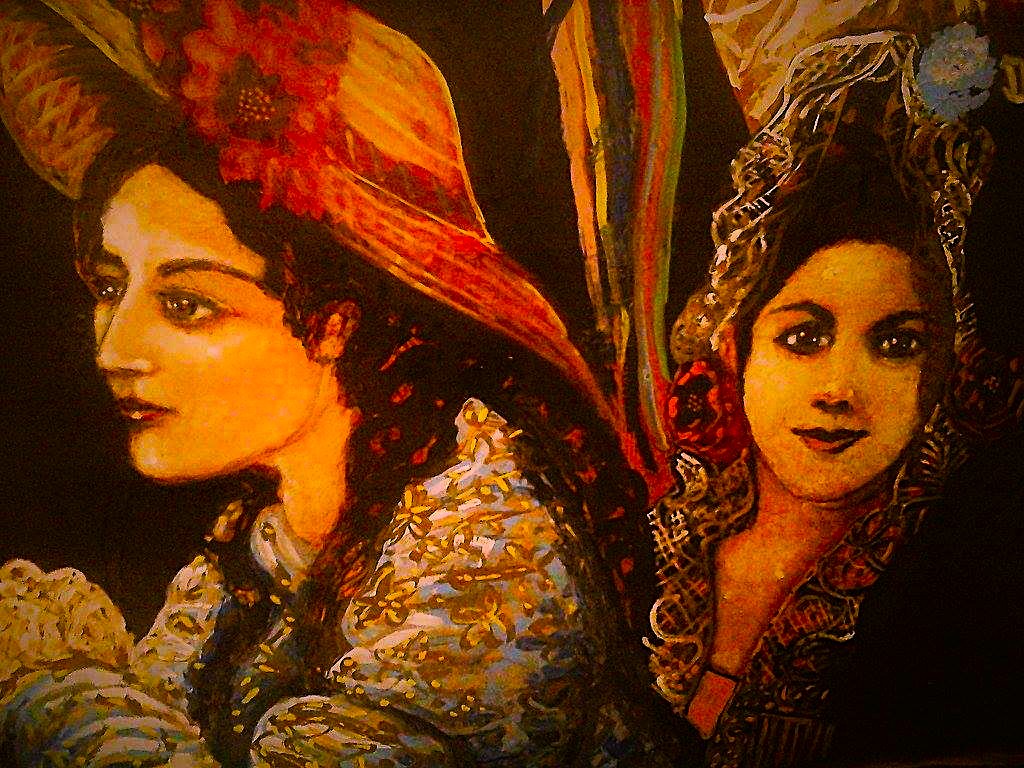
“My Grandmother Rosa Perez (aka “Cookie”) and my younger sister Irene”
a detail from a portion of a mural titled: “Luncheon on 
Riazor Beach, La Coruna, Galicia.” oil-on-wall, 10′ x 19.’ 1977, (Davis Island, Tampa, FL).
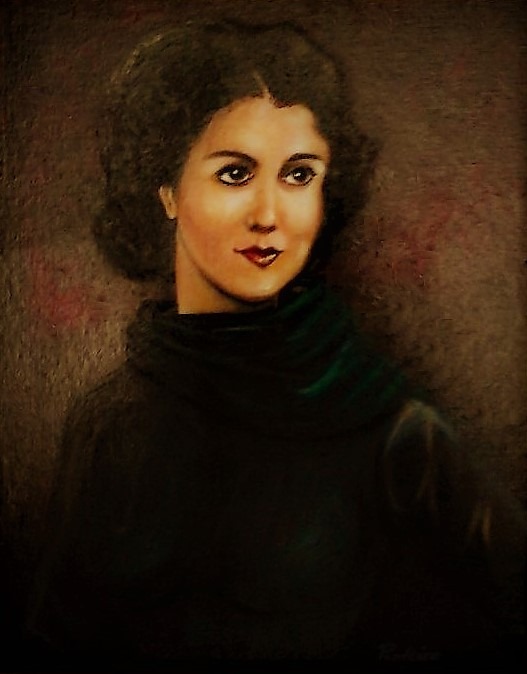
“Portrait of Olga Perez Rodeiro (My Mother).”
  oil on canvas. 16” x 16.”  1978.
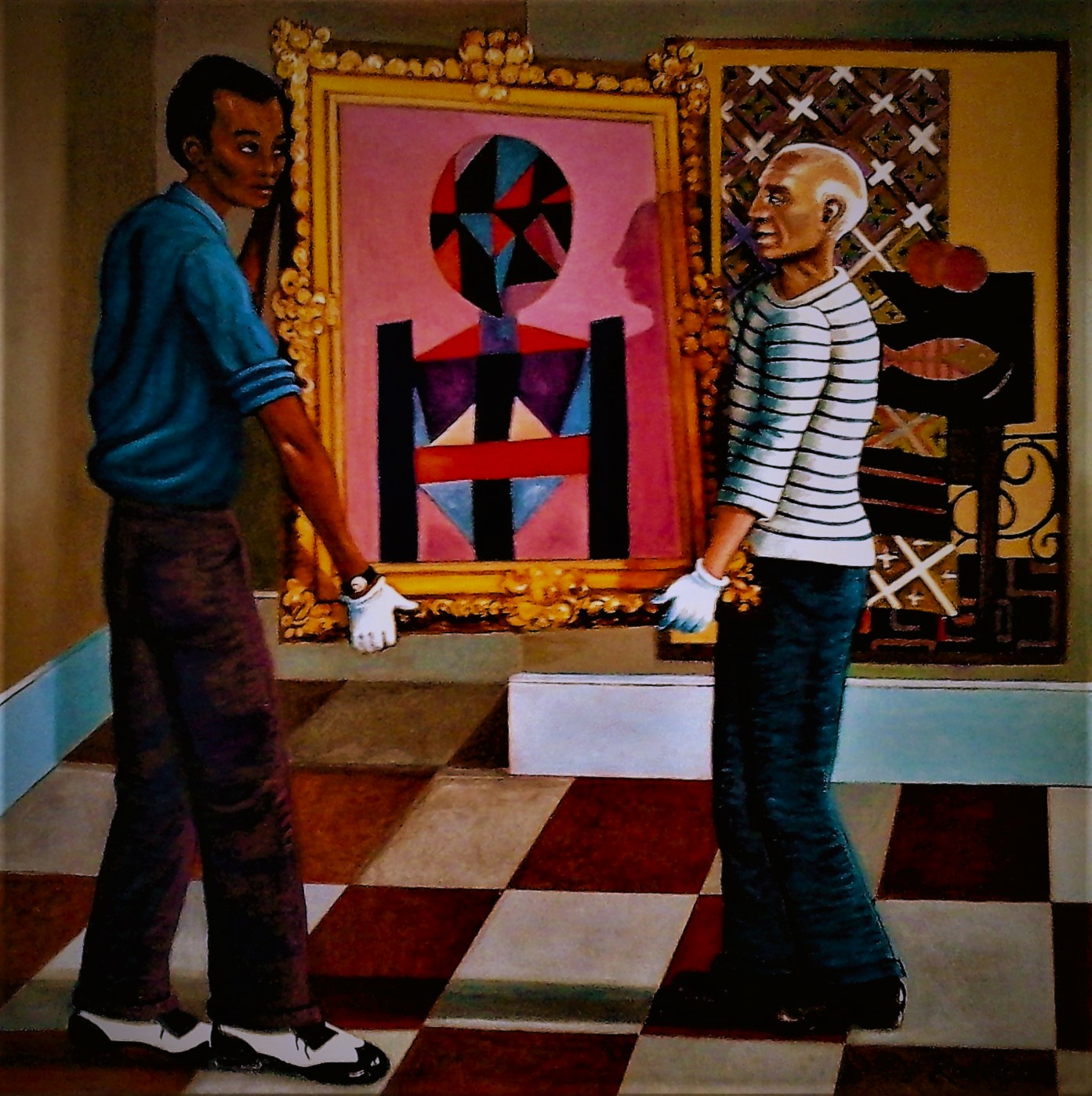
 “Picasso Helping Wifredo Lam Move into a Paris Studio in 1952.”
oil on canvas. 20” x 20.” 2019,
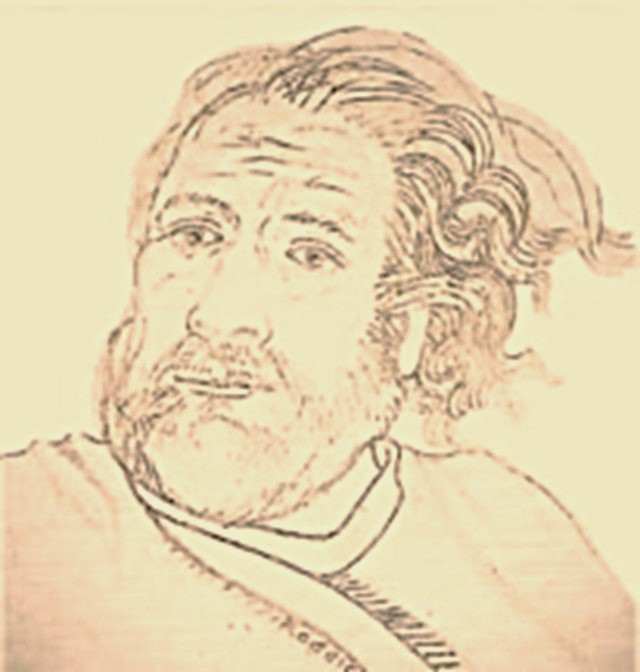
 “Alan Britt.”
Sepia Pencil Sketch. 8” x 9.” 2020.
  This drawing became the cover-art for “Alan Britt Greatest Hits (1969-2010 and beyond).” Dream Tyger Press, Baltimore, MD, 2020.
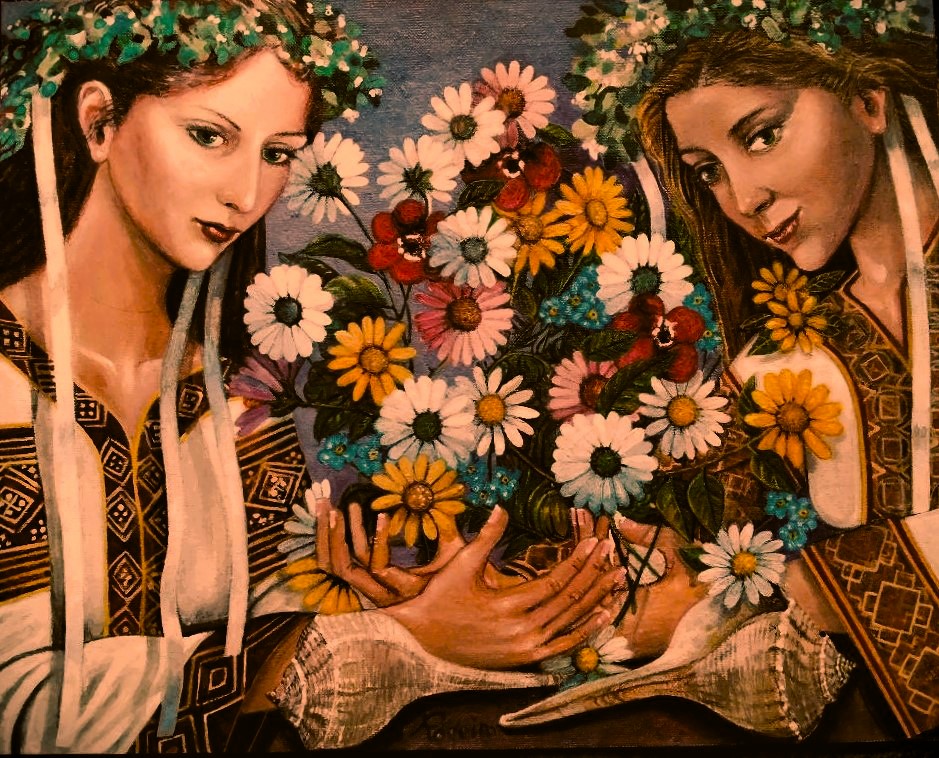
“Ukrainian Women with a Bouquet of Wild Flowers 1.”
acrylic on canvas-board, 16” x 20.” 2023.  
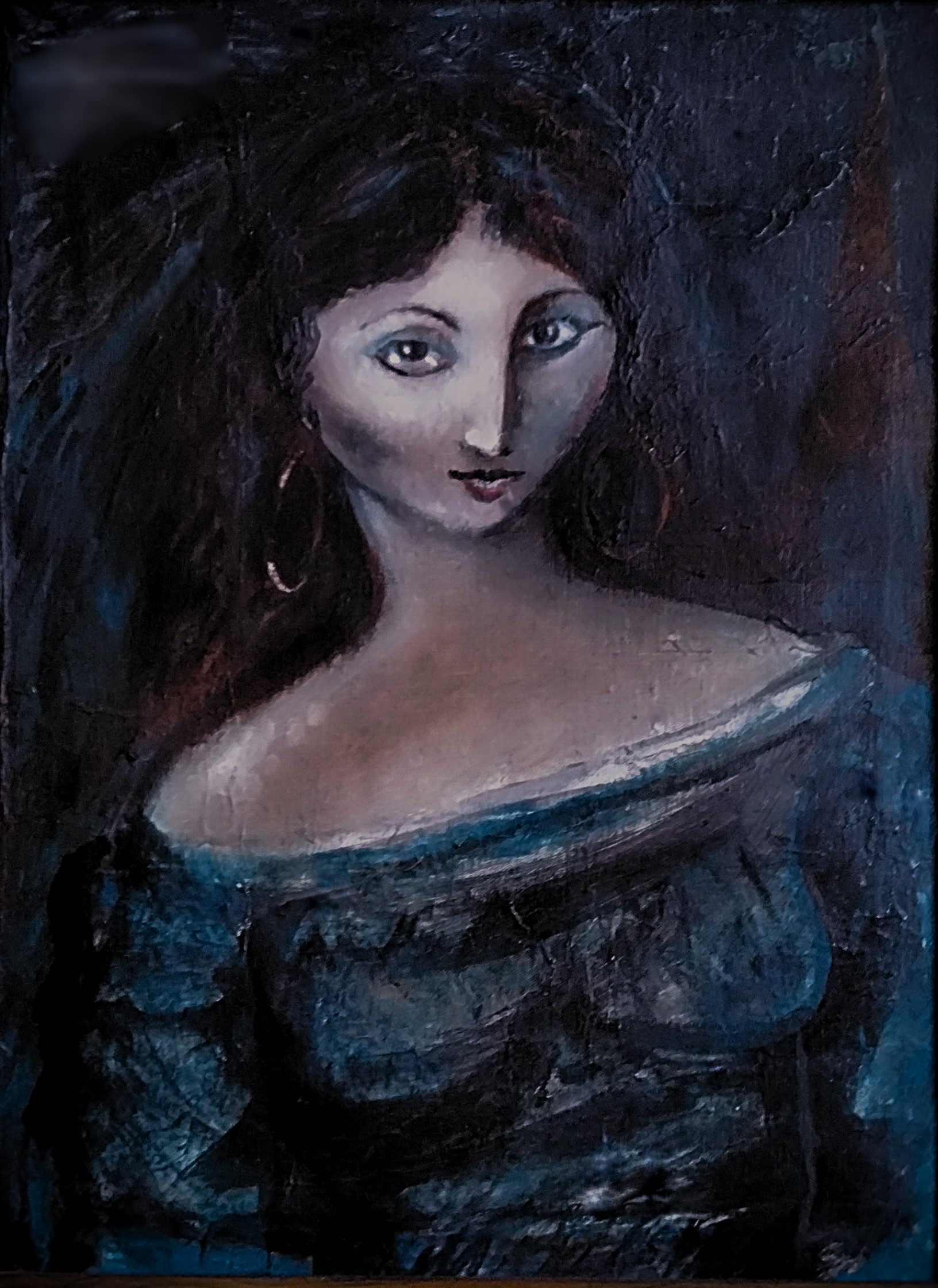
 “Duende Nutia.”
oil on canvas. 24” x 30.” 1990
  (aka “Nutia in Paris.”).  (Property of Nutia Rodeiro).
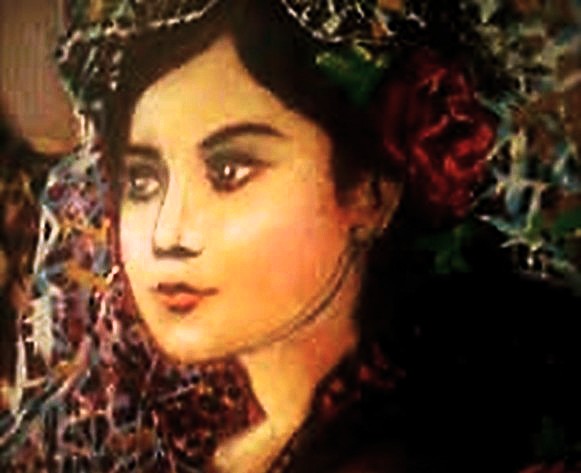
“Joyce (My Older Sister).”
a detail from a portion of a mural titled: “Luncheon on Riazor Beach, La Coruna, Galicia.” 
oil-on-wall, 10′ x 19.’ 1977, (Davis Island, Tampa, FL).
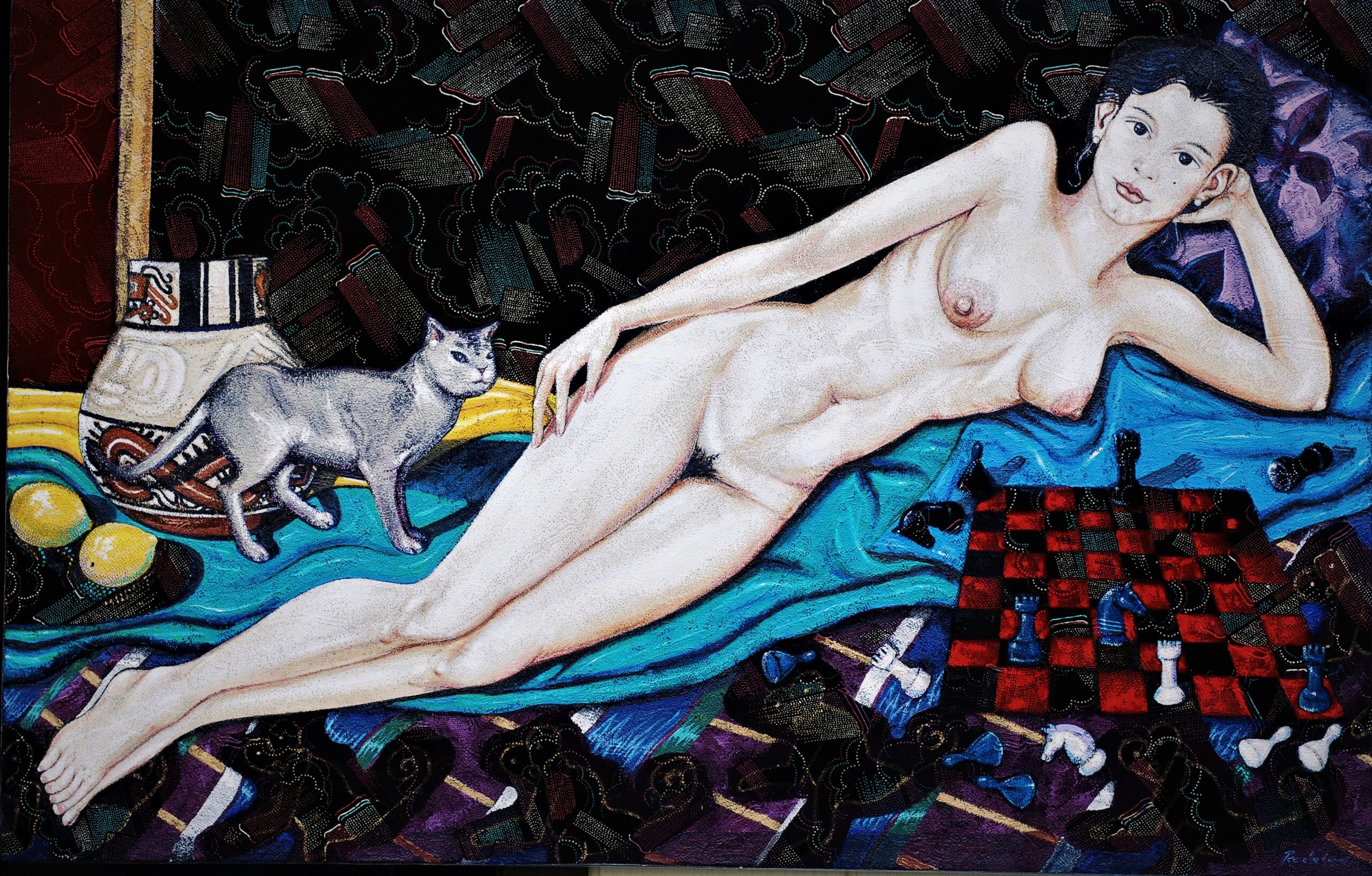
  “Olympia with a Cat.”
oil on velvet.  28″  x 42.”   1993.  

Understanding Portraiture

Through the creative process of painting with pigments upon a flat prepared surface, an artistic portrait emerges, as artists begin sketching contours and identifying key facial features that belong to a specific individual living-thing that is being depicted (whether human, animal, plant, or any other lifeform).  During this preliminary phase, artists examine myriad aspects of their model’s distinctive presence, essence, visages, aura, public-persona, continence, or the model’s definite authentic personality traits.  Step by step, the portrait painter envisions a viable composition guided by what Neoplatonists called “Divine Oneness” directing eyes, mind, hand (fingers), wrist, elbow shoulder and brushes until a fitting image appears.  This process requires patience and courageous creative persistence matched by discerning perception, based on acute looking, seeing, along with insightful observation marked by deep spiritual contemplation of the model in relationship to the surface that is being transformed into a portrait. Thus, portraiture defines a category of art that includes all kinds of portraits from rough caricatures to refined masterpieces by Ingres. Moreover, at the highest-level, portrait painting encompasses much more than merely capturing a likeness, rather it reveals or expresses (in three ways) a being’s “Being:” (1). depicting a being in the full breadth of existence (past, present, & future (as a oneness — a totality)) achieving thru art an actual Heideggerian “being-in-time” (“Dasein”), i.e., Picasso’s 1906 “Portrait of Gertrude Stein;” or elsewise (2). depicting a Parmenidean eternal “conceived” being spiritually embodying an immortal soul, i.e., the Frick’s 1658 “Rembrandt Self-Portrait,” or (3). a unique, rare, odd portrait that somehow affords both points-of-view simultaneously ̶ paradoxically depicting both Parmenides’s immortal being forever facing its enduring timeless conception of eternal “is,” as well as concurrently depicting Heidegger’s view that beings are basically clocks “a being until death,” i.e., Leonardo Da Vinci’s “Mona Lisa” (1503-1519).  Leonardo’s portrait has both Heidegger’s “being” as Being itself full of Heraclitean dynamics (flux & change), temporality (finitude), and examines the non-static nature of human existence (Dasein) and “Being” itselfwhile equally portraying Parmenides certitude in perpetual oneness, unchanging timeless permanence, sustaining one’s eternal substance free of death.