
Amnesis
Discover the essence of creativity through the gaps of memory and lost objects.
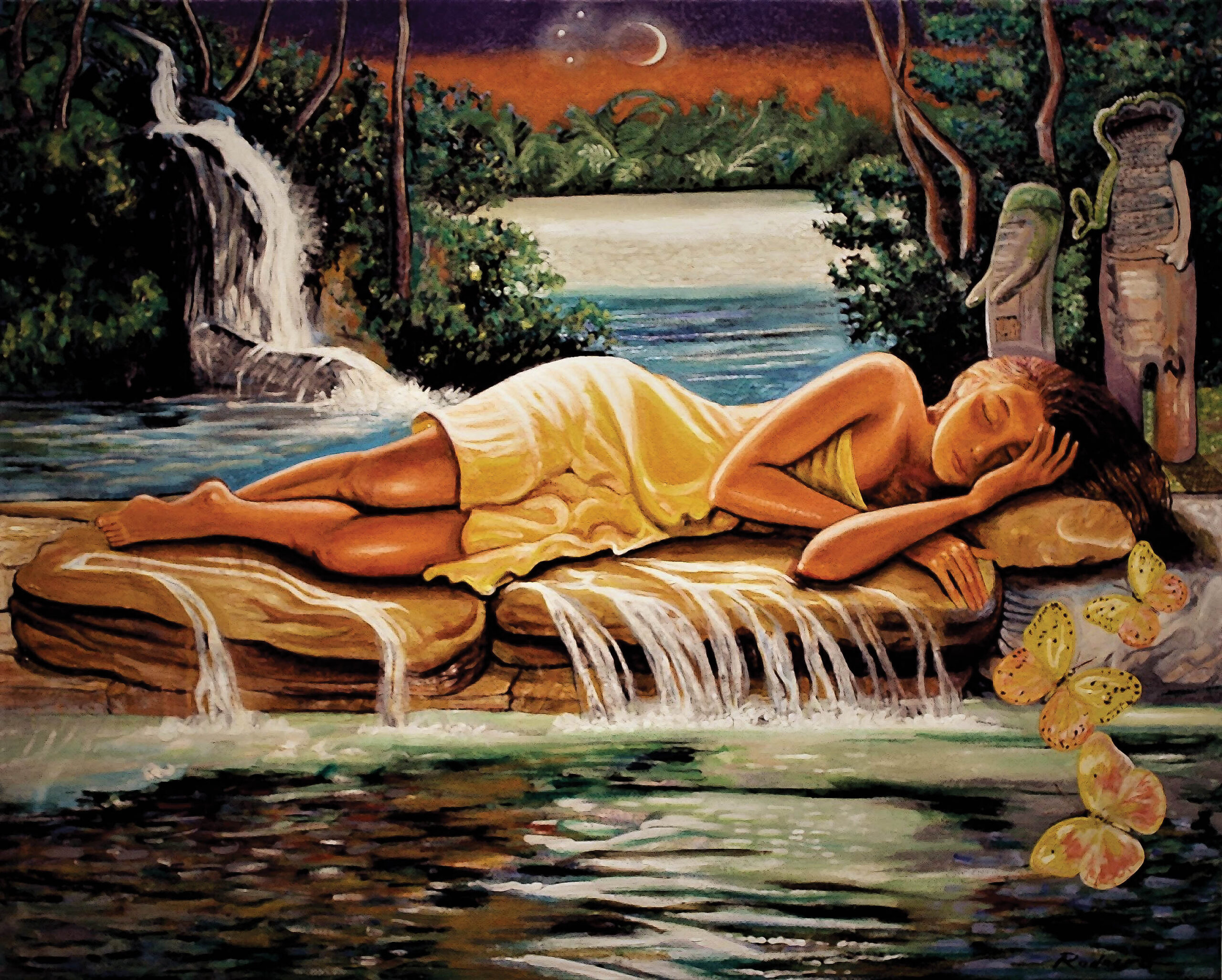
Amnesia Collection
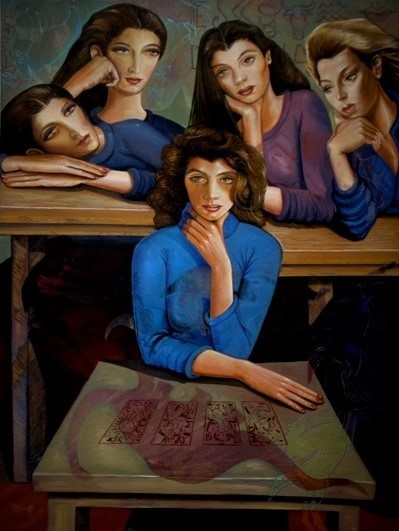
“Waiting for a Cuba Libre,”
oil on linen. 53″ x 48,” 1998.
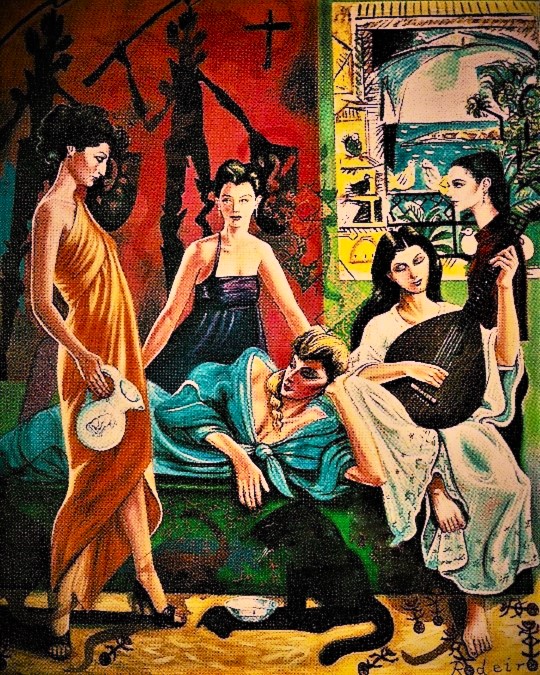
“Amnesis Picasso Museum, Barcelona.”
6’ x 8,’ 1988.
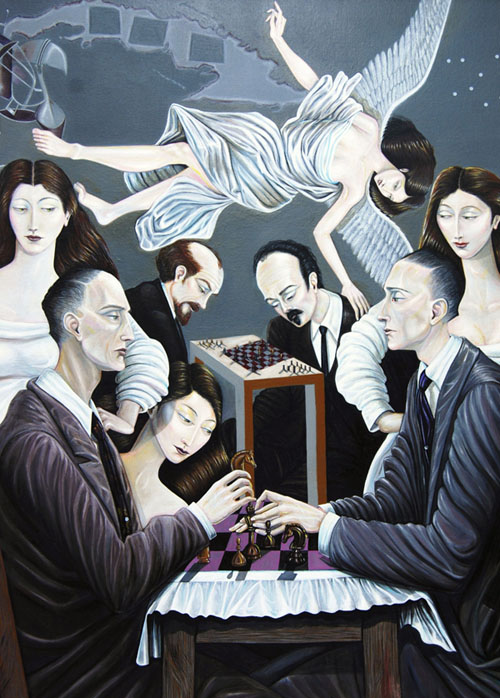
“The Spirit of Cuba Favoring José Martí.”
oil on canvas, 48” x 36,” 2001.
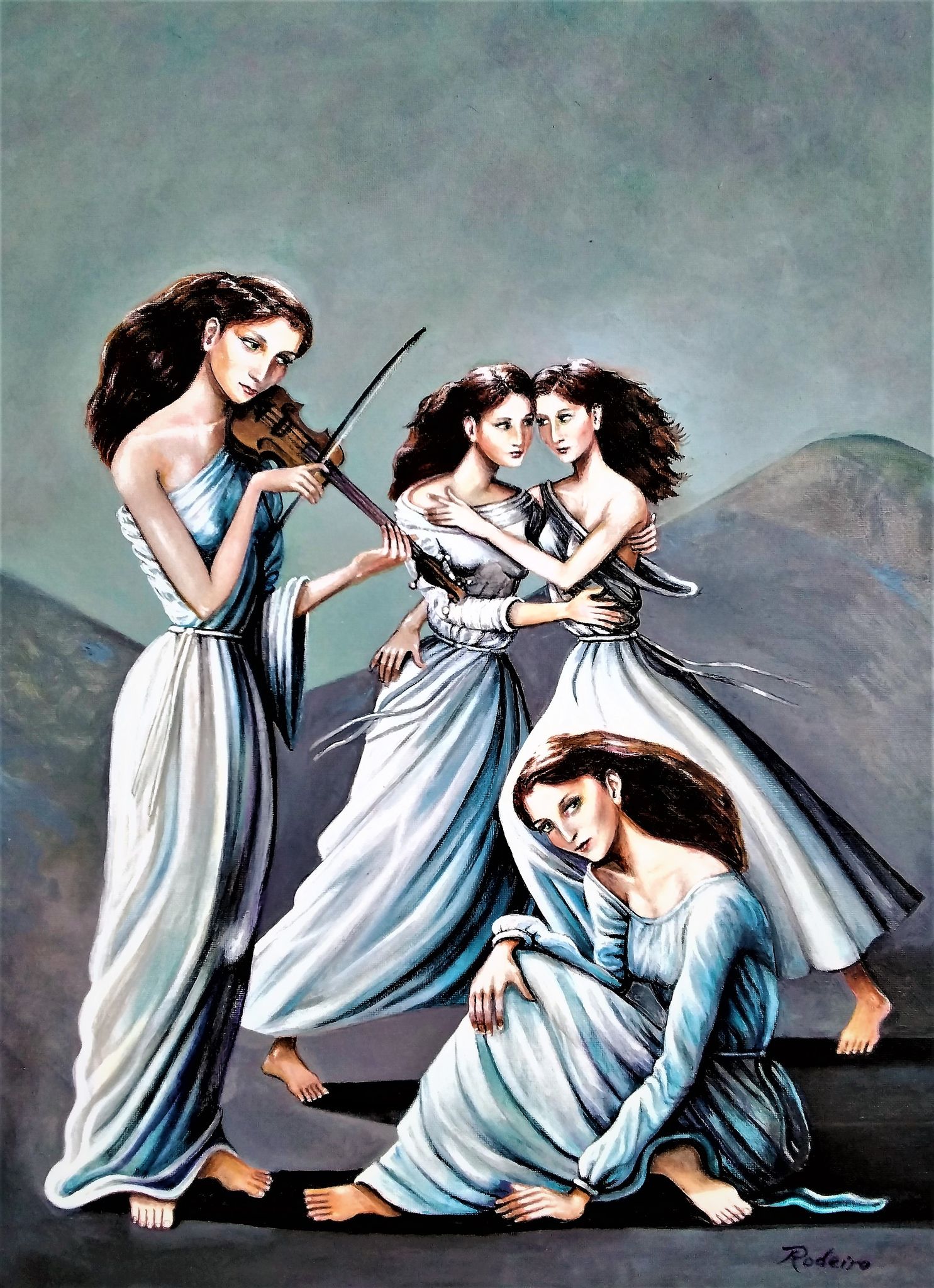
“Violin of Amnesia,”
oil on canvas, 18” x 24,” 2023.
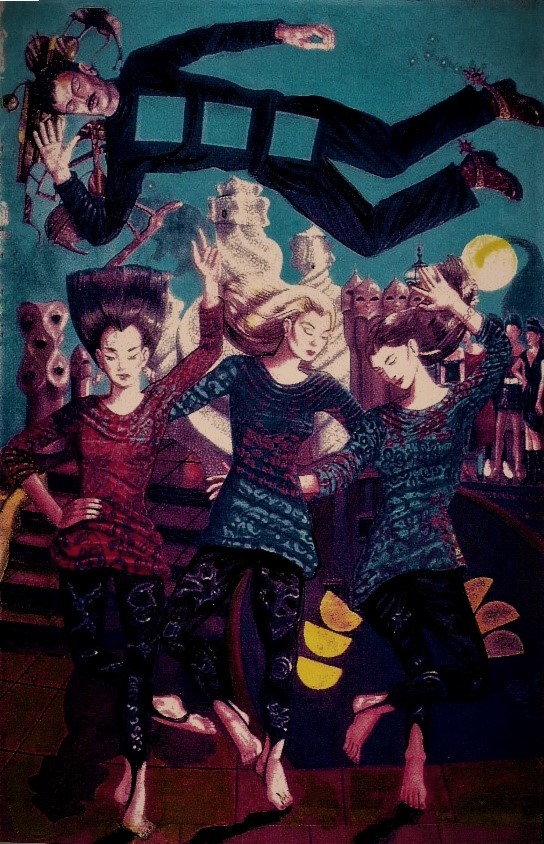
“Techumbre,”
oil-on-linen, 7’ x 8,’ 1988.
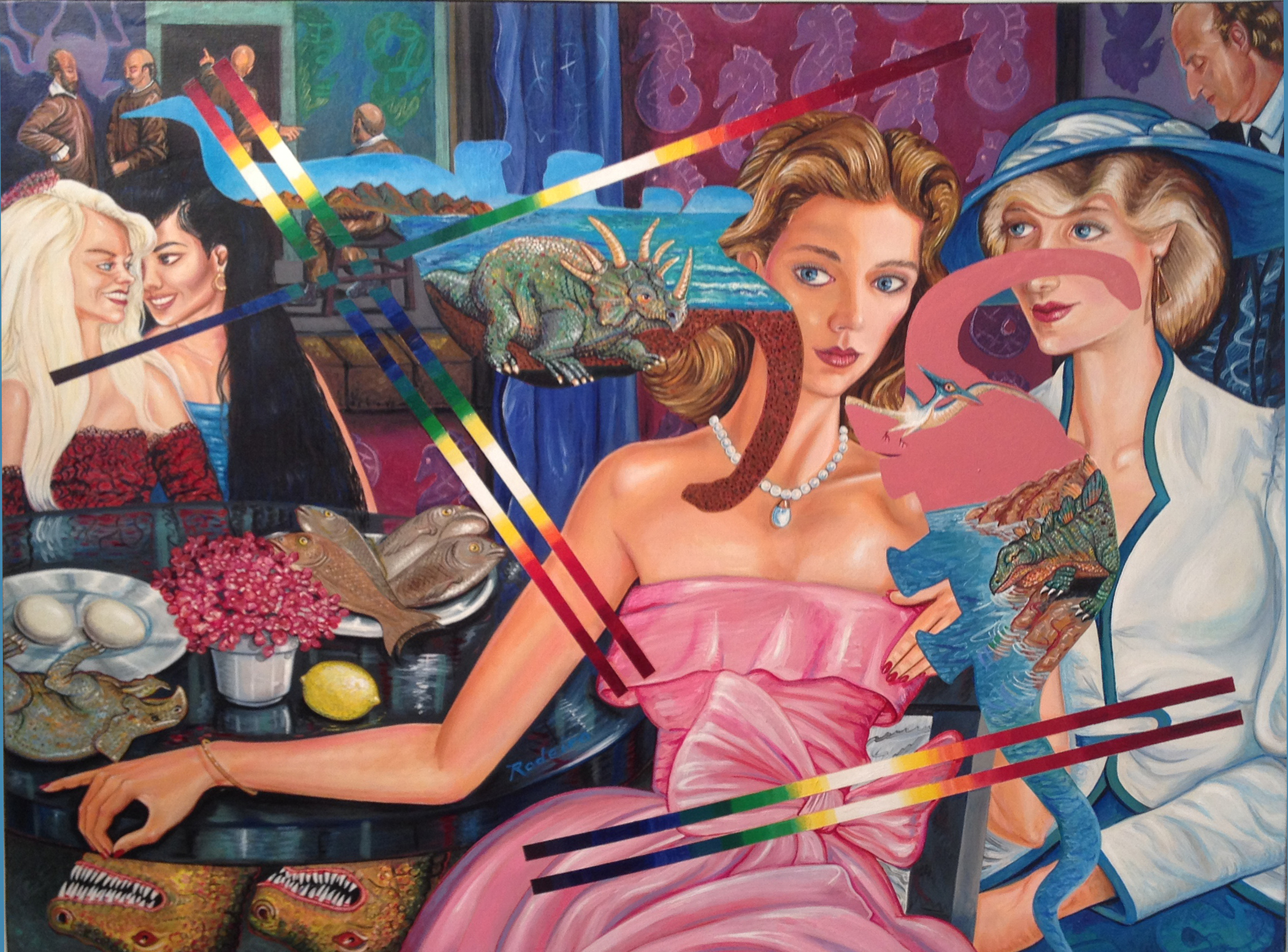
“Tapas in Marbella,”
oil on canvas, 53″ x 48,” 1998.
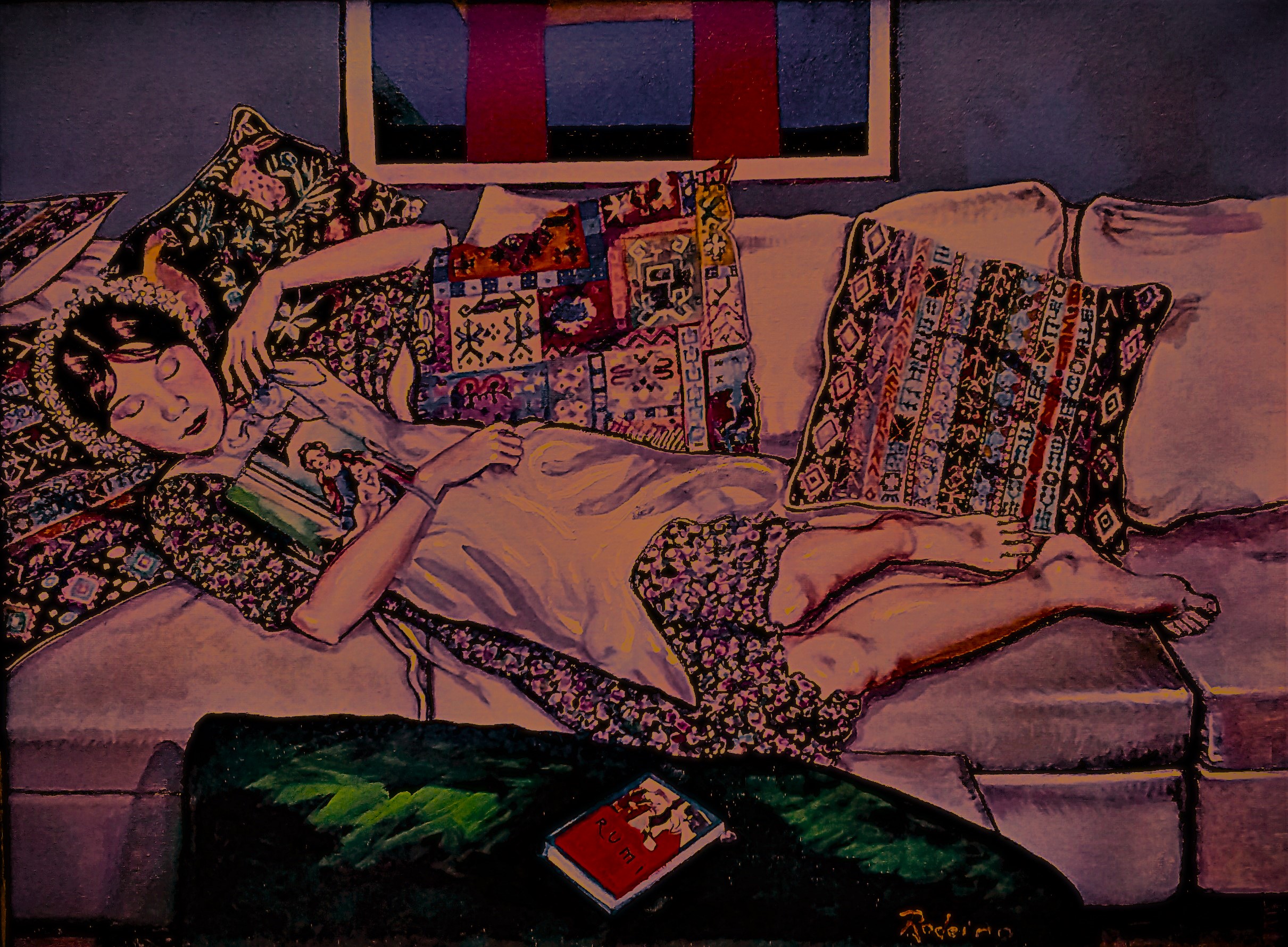
“Cleo the Muse of History Asleep.”
Acrylic and Ink on Canvas, 24” x 18,” 2024
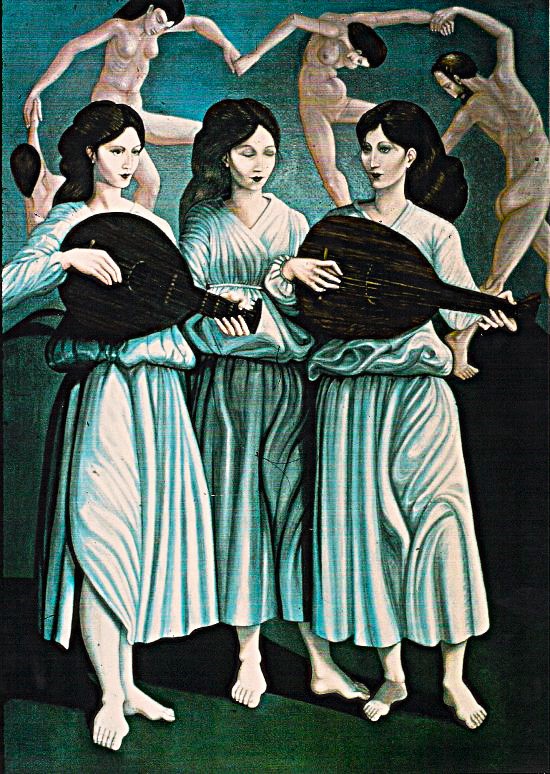
“Mandolins of Amnesia,”
oil-on-linen, 52’’ x 38,’’ 1982.
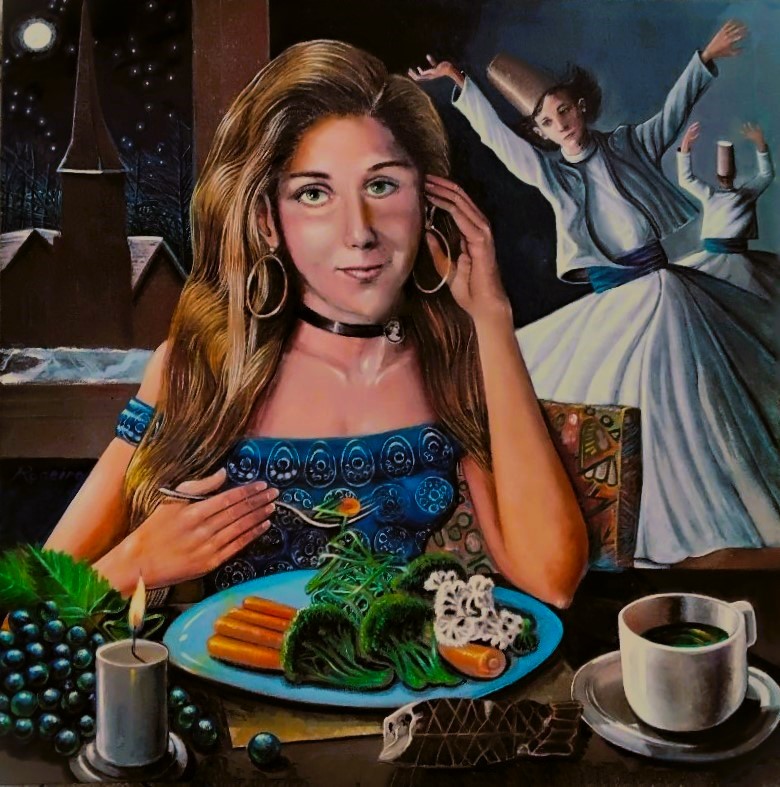
“A Poet’s Suppertime in Cumberland, Maryland.”
oil on canvas, 22⅓” x 22⅓”, 2024.
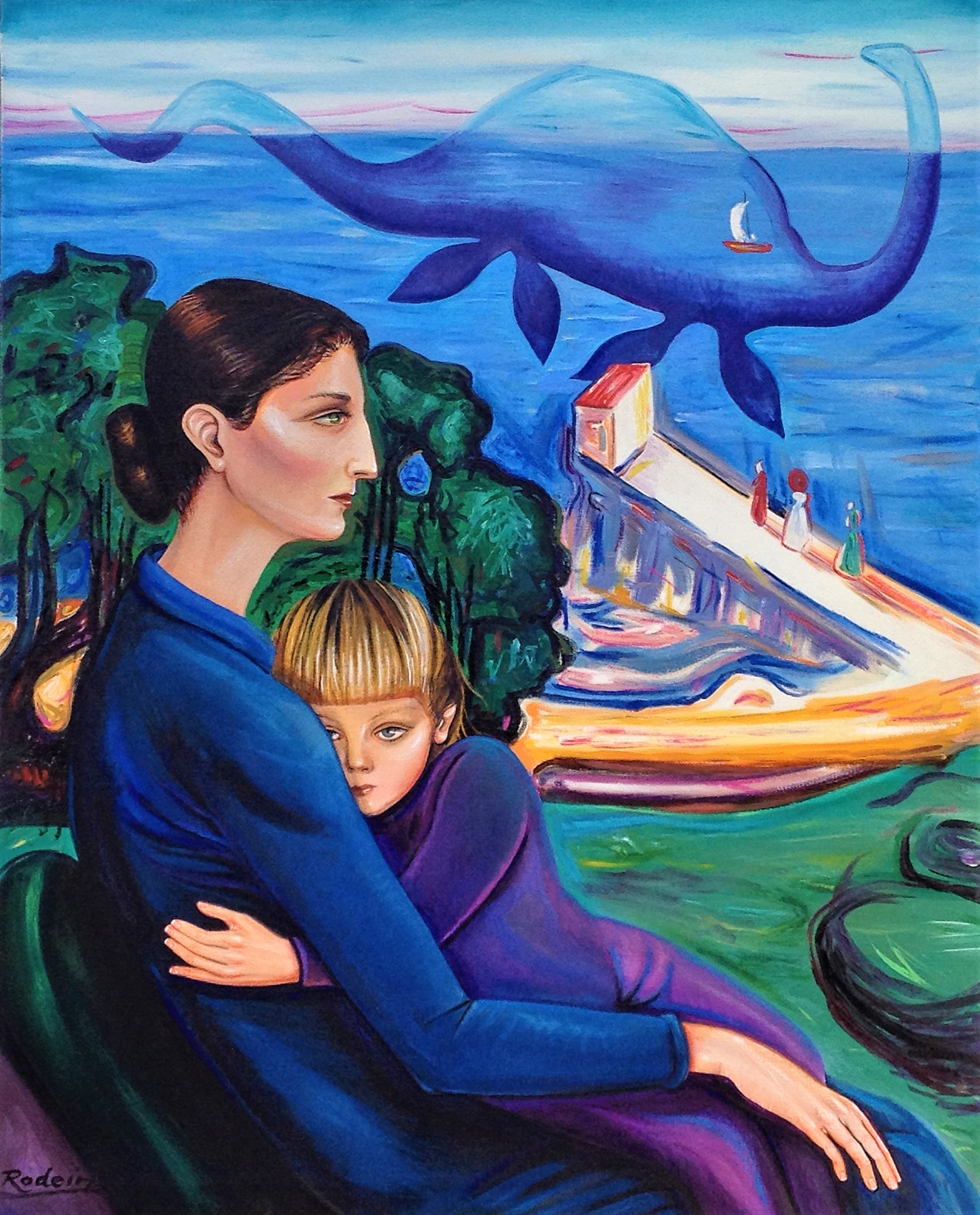
“Loch Ness Madonna,”
oil on Linen. 42″ x 38,” 1999.
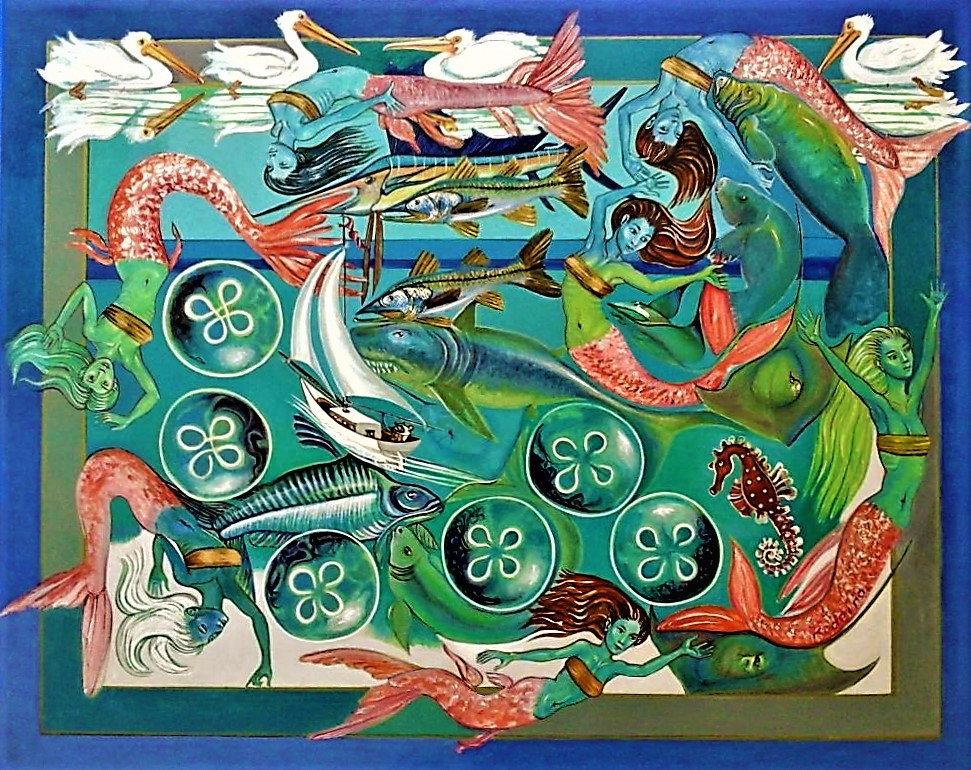
“New Constellation Beneath the Gulf of Mexico,”
30” x 24,” acrylic on canvas, 2019.
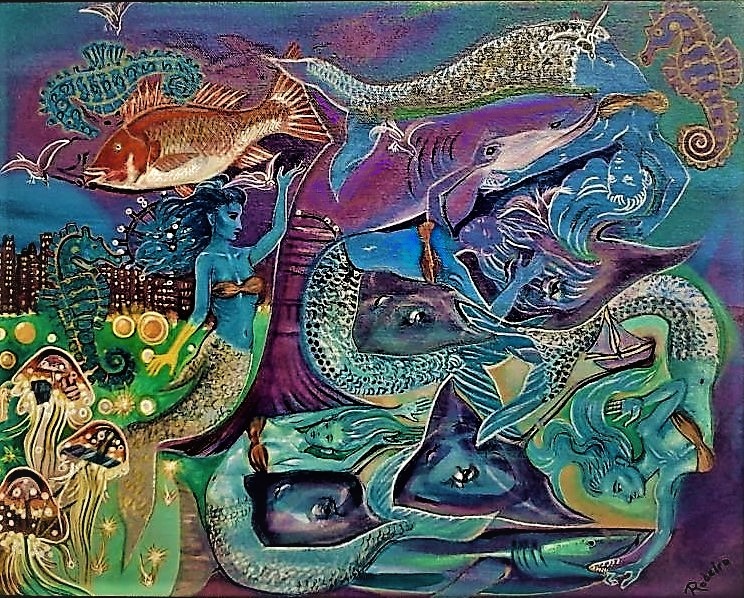
“New Constellations Beneath the Gulf.”
20” x 16,” oil on canvas, 2019.
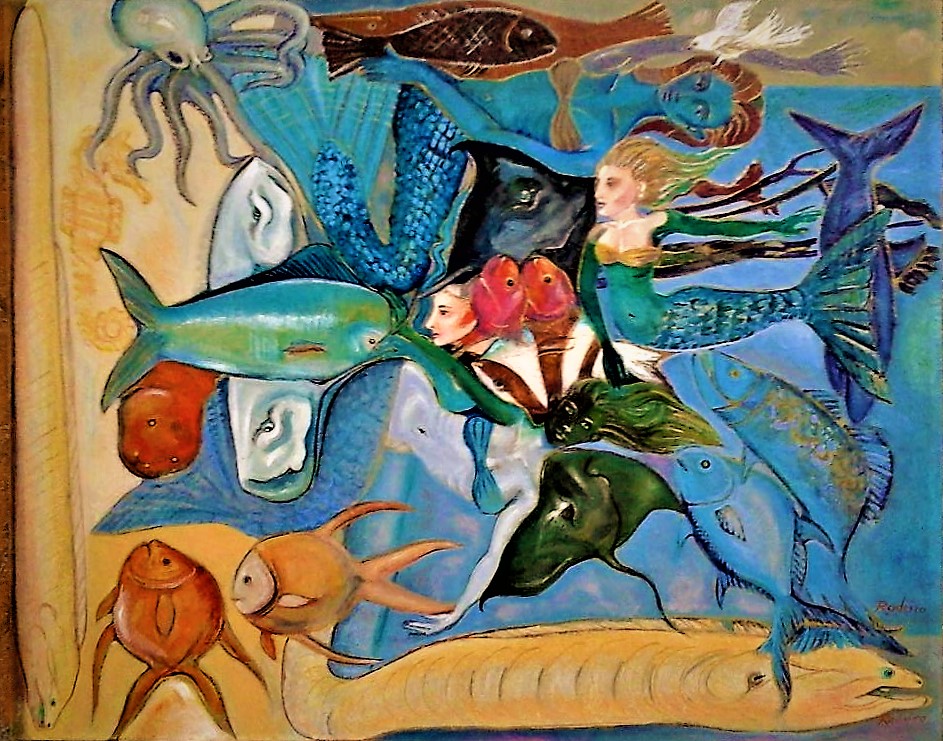
“The Blue Dolphin.”
20” x 16,” oil on canvas, 2019
Amnesis Art
Concerning my approach to visual-artistic creativity, much of my painting adheres to “The Theory of Creative Amnesis” as first delineated in 1973 by the Bolivian poet and art theorist, Dr. Nicomedes Suárez-Araúz, advocating that artistic creativity owes less to Mnemosyne (goddess of memory) and her daughters, the nine muses, who govern nine specific forms (areas) of memory, which has generally been the principle classical approach to Western aesthetic and creative theory in the arts as well as espoused by Plato, Aristotle, St. Augustine, Wordsworth, Proust, Tolstoi, Freud, Joyce, Faulkner, Dewey, Breton, Dalí, Gadamer, Benjamin, Boltanski and most modern art theorists. Instead, Suárez-Araúz placed his aesthetic focus (emphasis) on what is not remembered (or unremembered), especially lacunae of irretrievable amnesia, vanished lost objects, dark matter, and vast a-historical voids, all of which, for him, were/are the ultimate source(s) of all ‘true’ artistic inspiration and creativity. For him, lost objects are indelible emblematic representations of absence, refashioning every semblance of the concrete. For him, creativity results from a relentless feeling of loss, reorientation, and emptiness (mental voids) that prompt what he calls “fabulation(s)” envisioned by fabulists (aka artists) into “fabunirs,” which recreate and retrieve departed memories, juxtaposing false narratives, regarding missing people, vanished places, and lost objects. The art of Rodeiro is always a spectacular eruption of fabulations accentuated with myriad lost objects along with vanished beings (apparitions), transmogrifying into full-blown visually spectacular “fabunirs.”
“Agua Dulce, Ochun Asleep.”
oil on canvas, 19” x 15,” 2010.