Unveiling the Mystical World of PRIMORDIALISM
Experience the Vibrant Spirit of NEO-SHAMANISM
Dive into a realm where ancient traditions meet modern expression, capturing the essence of shamanic art in every stroke.
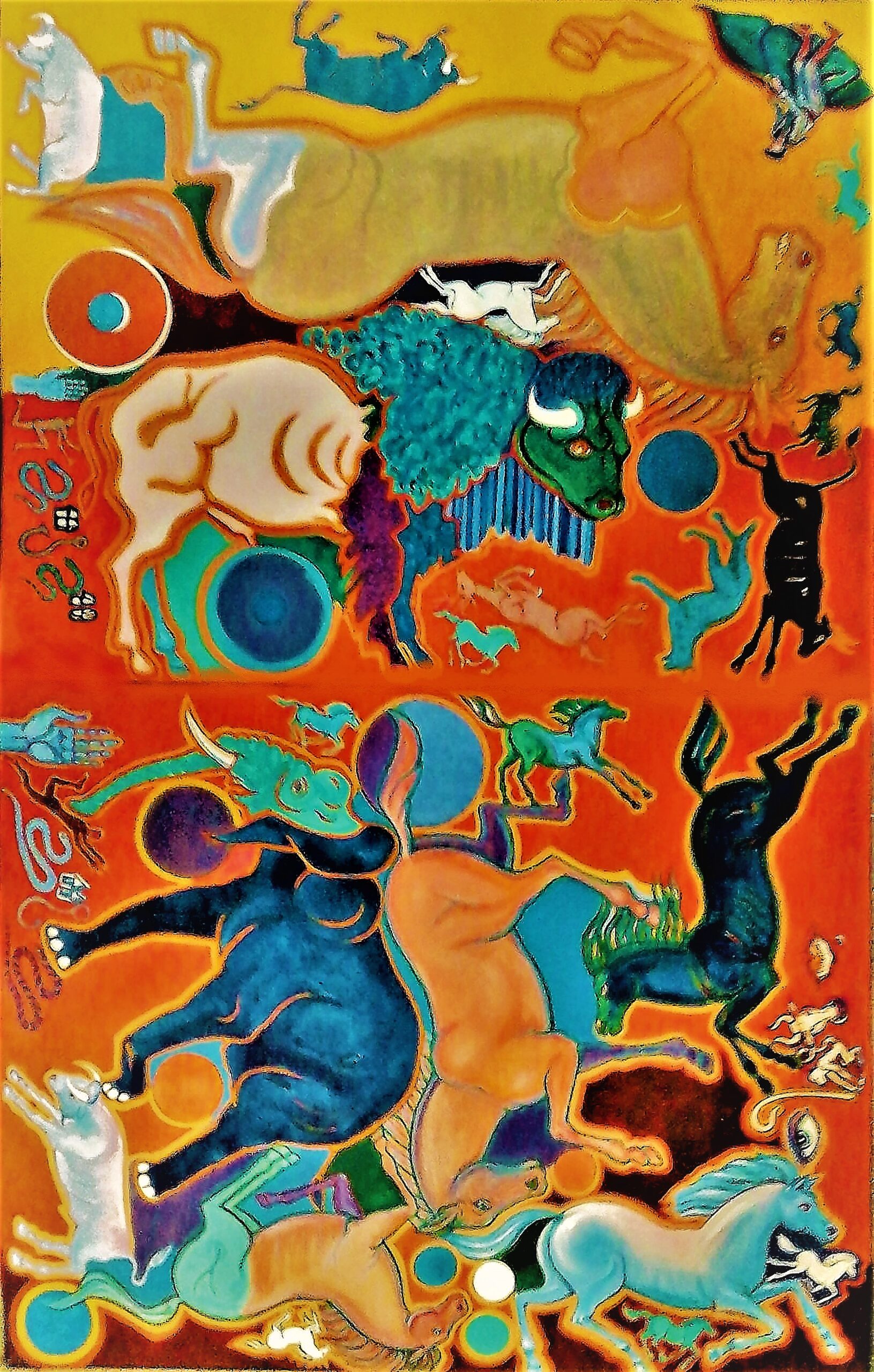
A Journey Through Shamanic Visions
Vibrant Expressions of PRIMORDIALISM
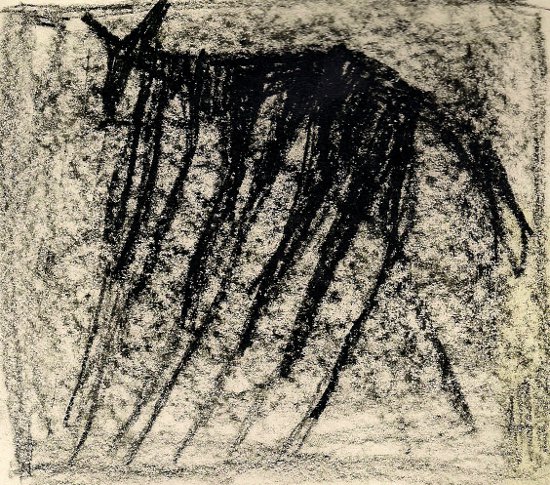
Primordialism-Duende 2
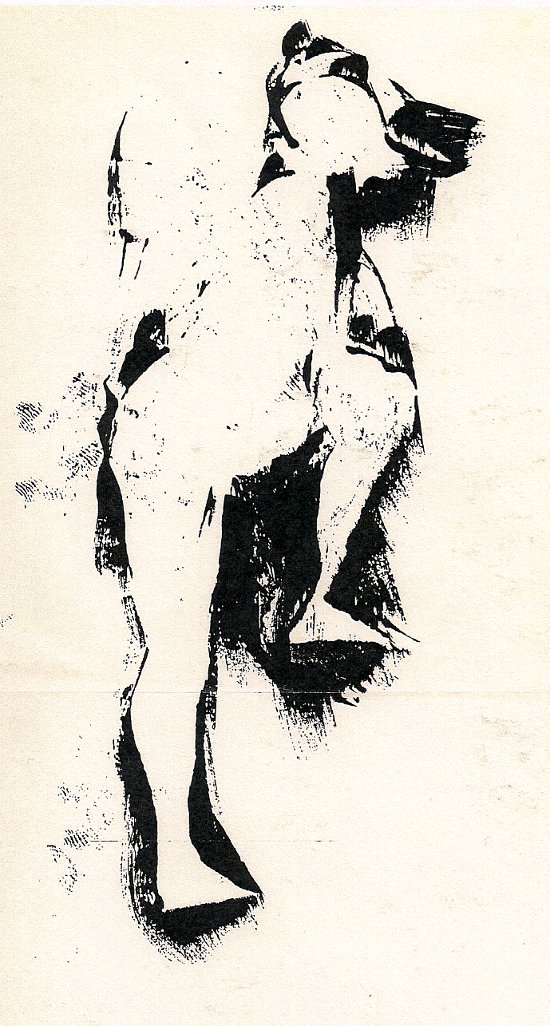
Primordialism-Duende 3
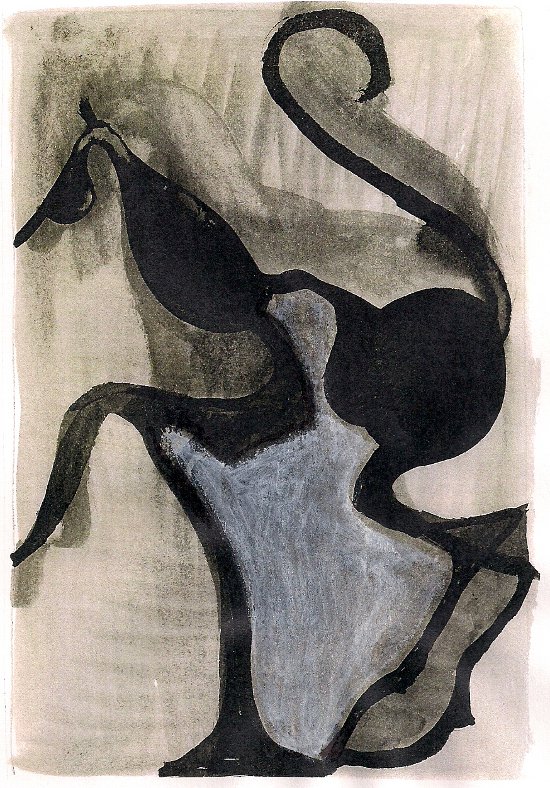
Primordialism-Duende 4
“New Constellations Red Sky.”
acrylic-on-canvas, 44” x 28,” 2019.
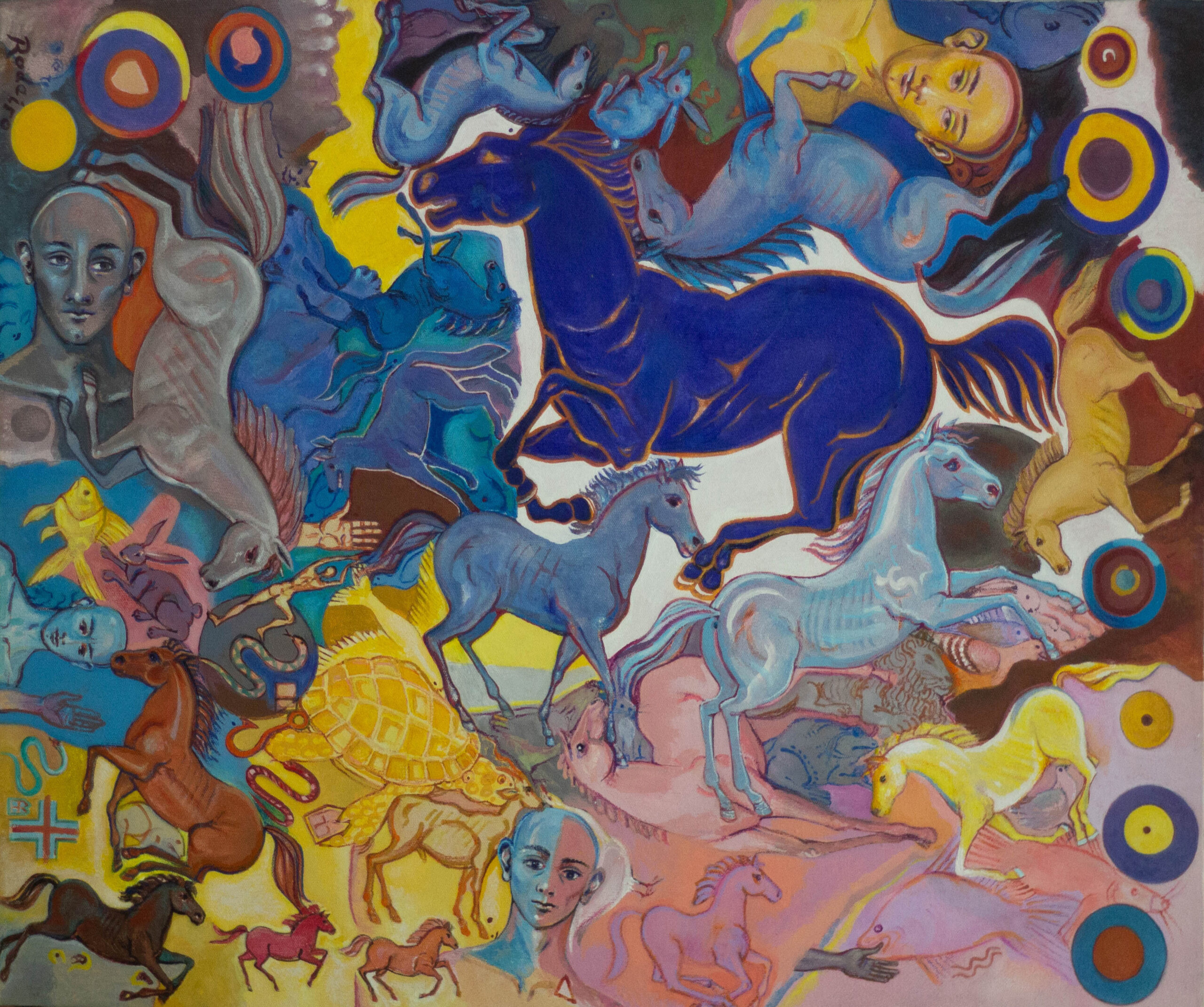
“New Constellations at Dawn,”
28” x 22.” acrylic on canvas, 2017.
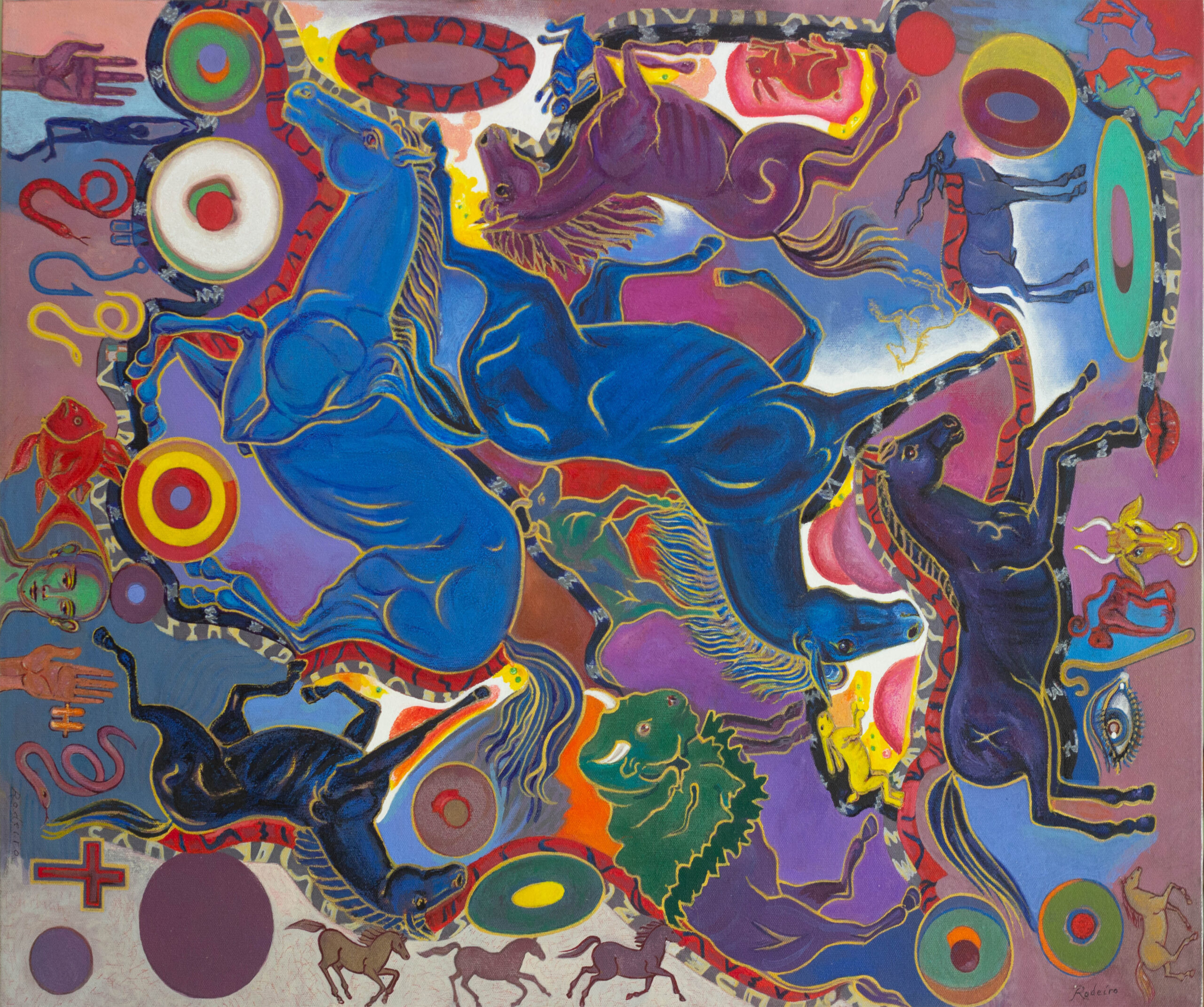
“New Constellations at Noon.”
28” x 22.” acrylic on canvas, 2017.
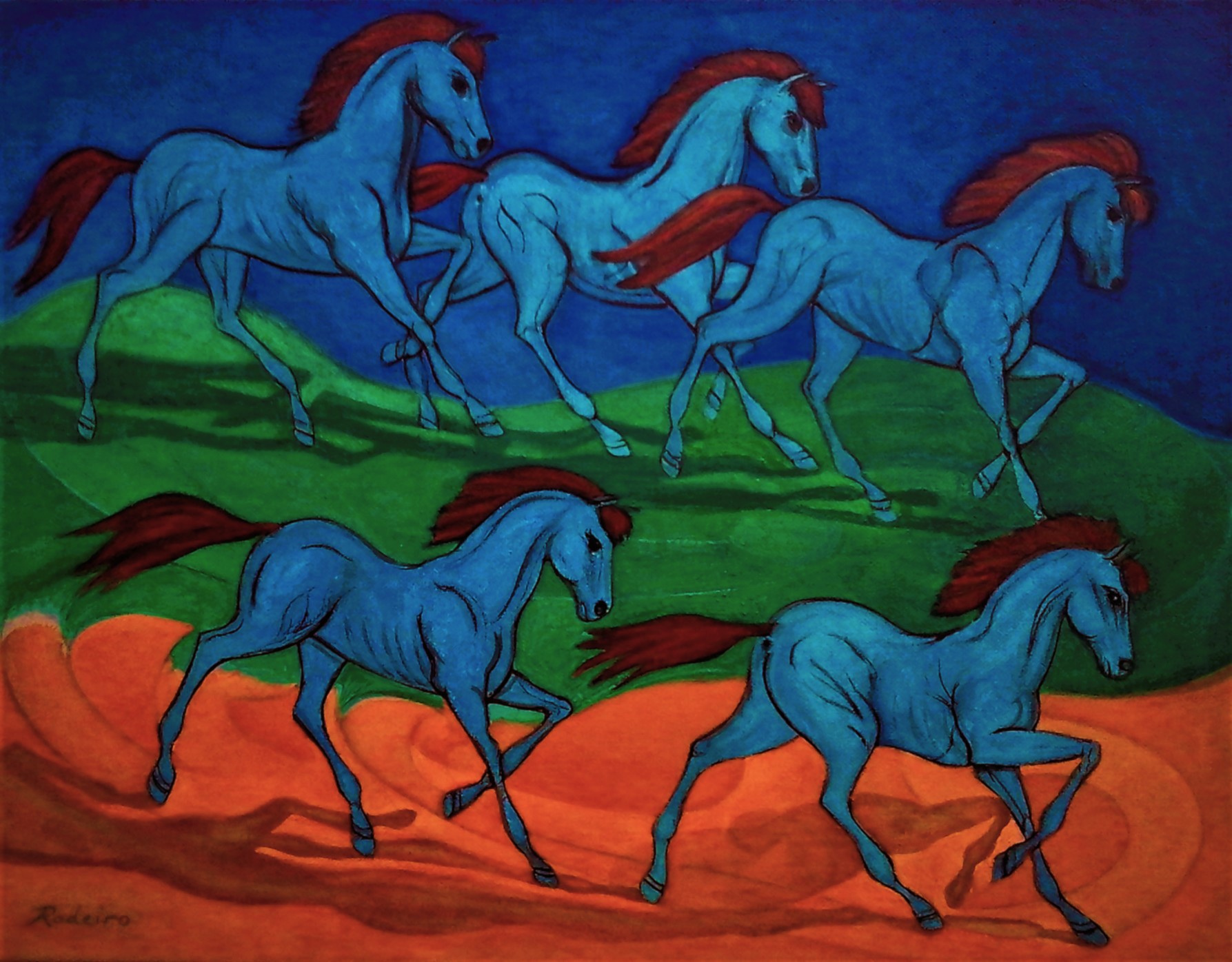
“Prance.”
acrylic on canvas, 14” x 18.” 2020. (In 2022, this image became the cover-art for Silvia Scheibli’s “Conversations with Athena at Mieza.” (Finishing Line Press, Georgetown, Kentucky).
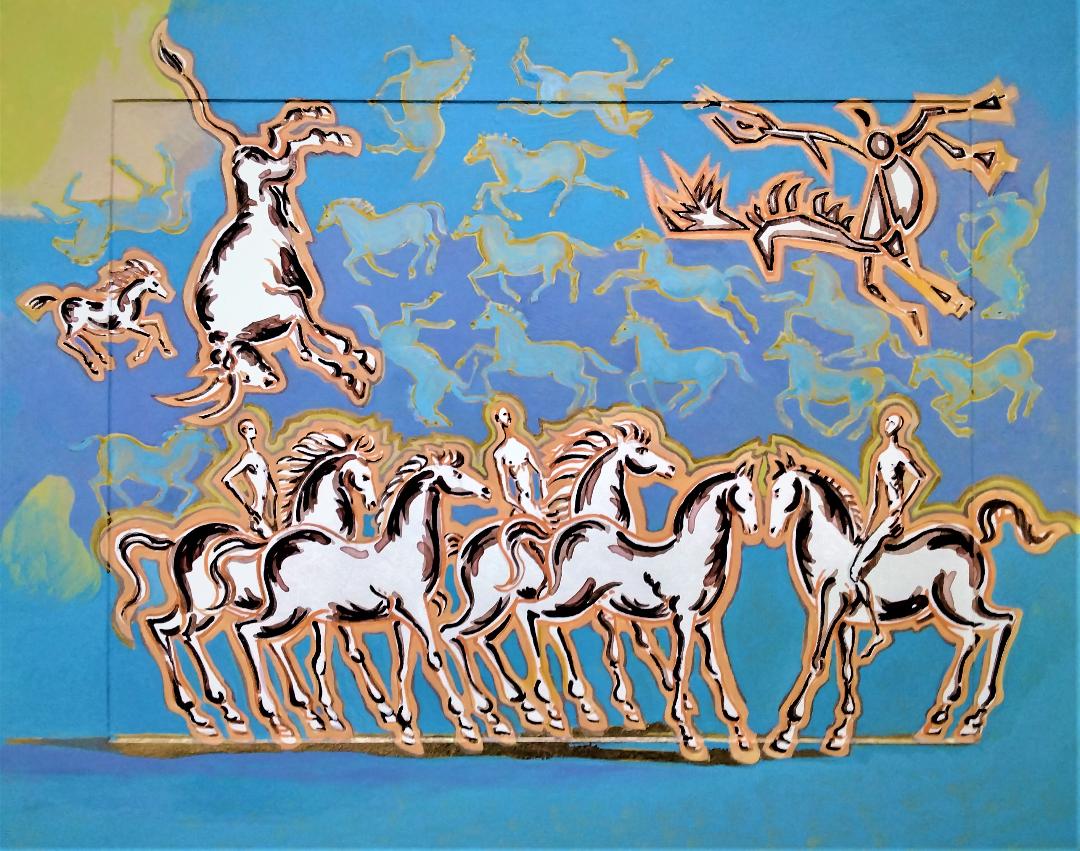
“Three Wranglers and an Acrobat Mustering Wild Horses.”
gouache on cardboard. 18” x 24.” 2000.
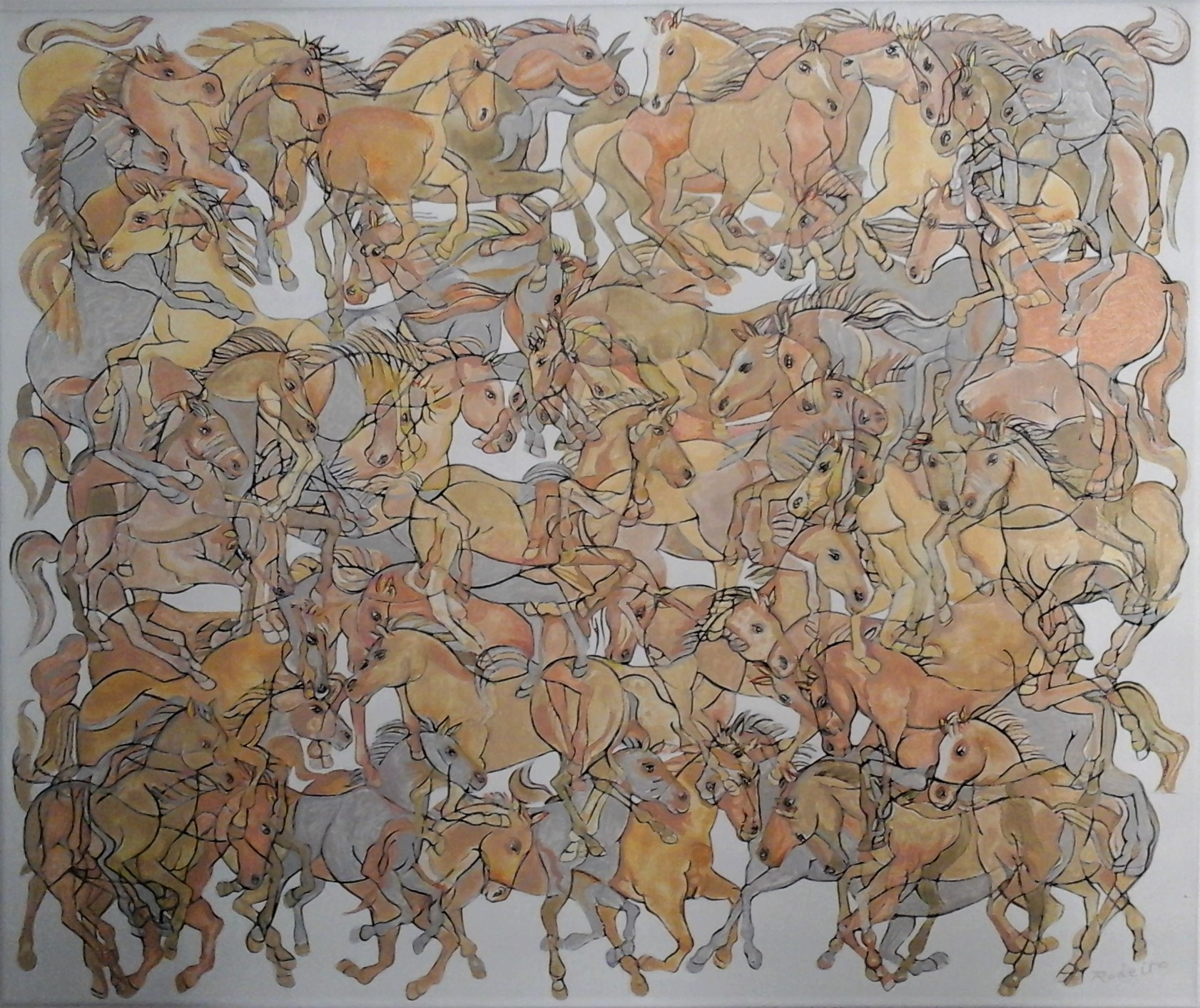
“A Hundred Horse Ears.”
acrylic on canvas. 20” x 24.” 2018. (The Collection of Dee & Sal Perconti).
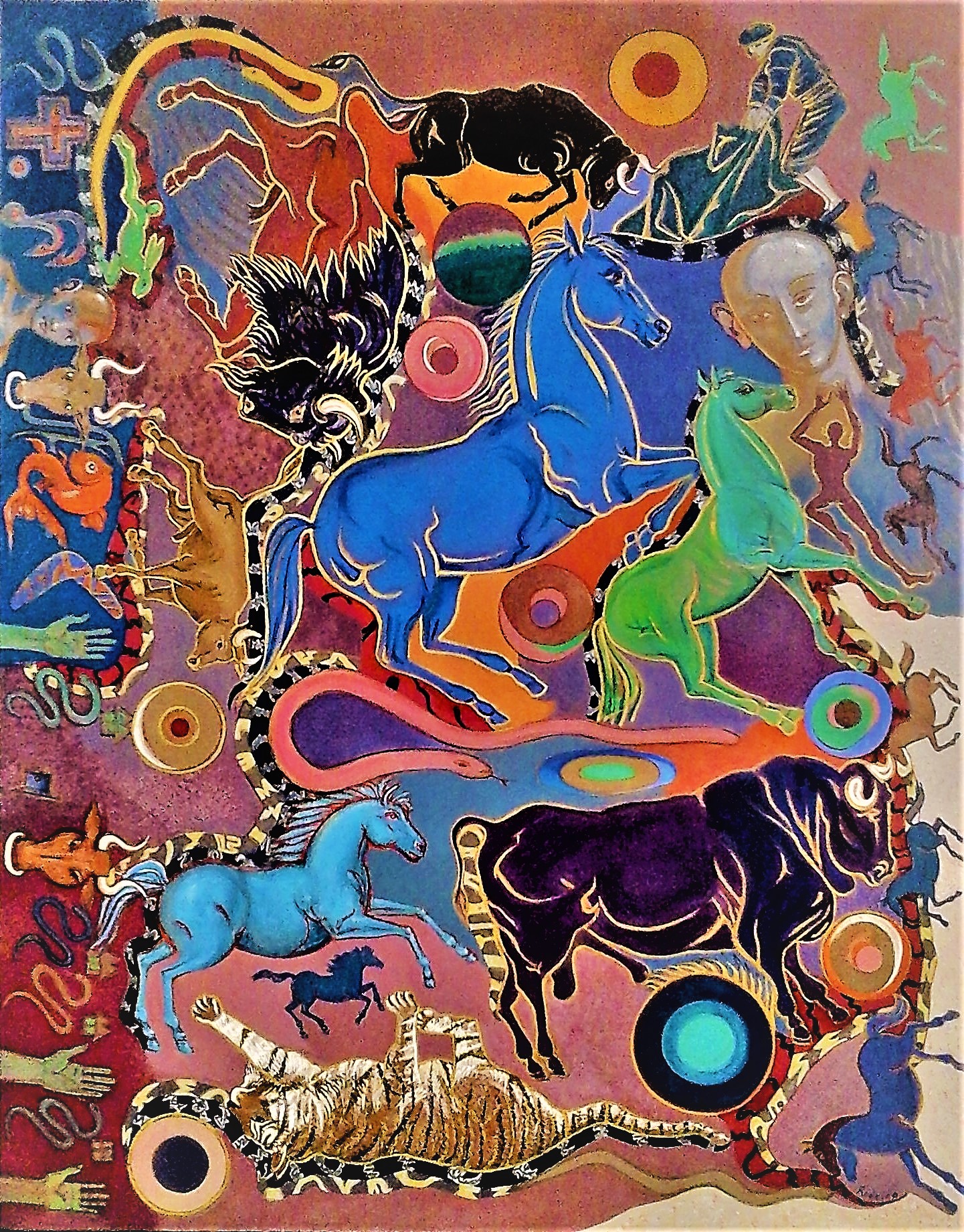
“Improvisation #2 (Moonlit Beach Nocturne).
28” x 22.” acrylic on canvas, 2017. (The Diane Reus Collection).
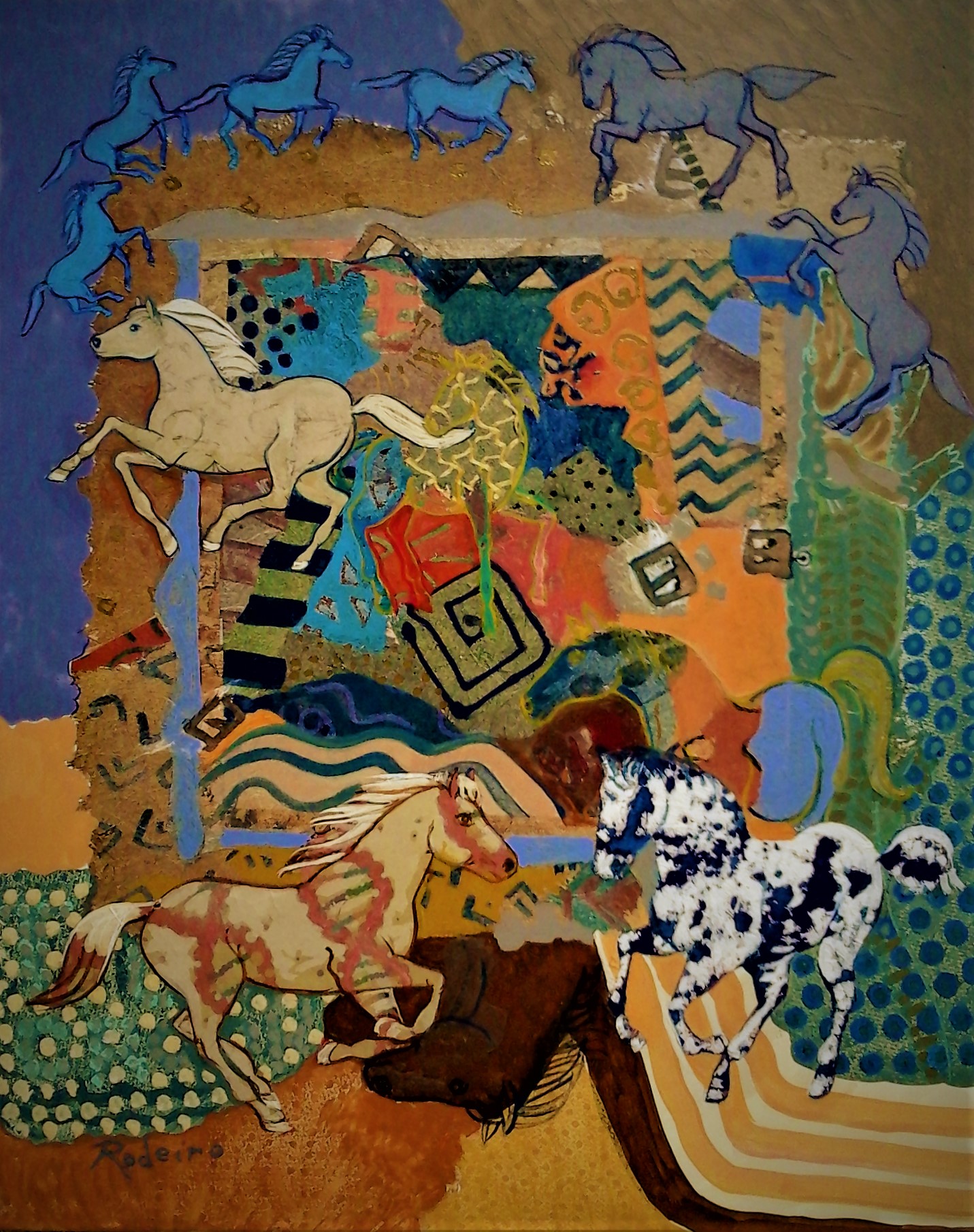
“New Constellations in a Vortex 4”
16” x 20.” acrylic on illustrators’ board. 2020. (in a private collection). In 2022. This image became the cover-art for Silvia Scheibli’s “In the House of Rain.” (Concrete Mist Press, York, PA).
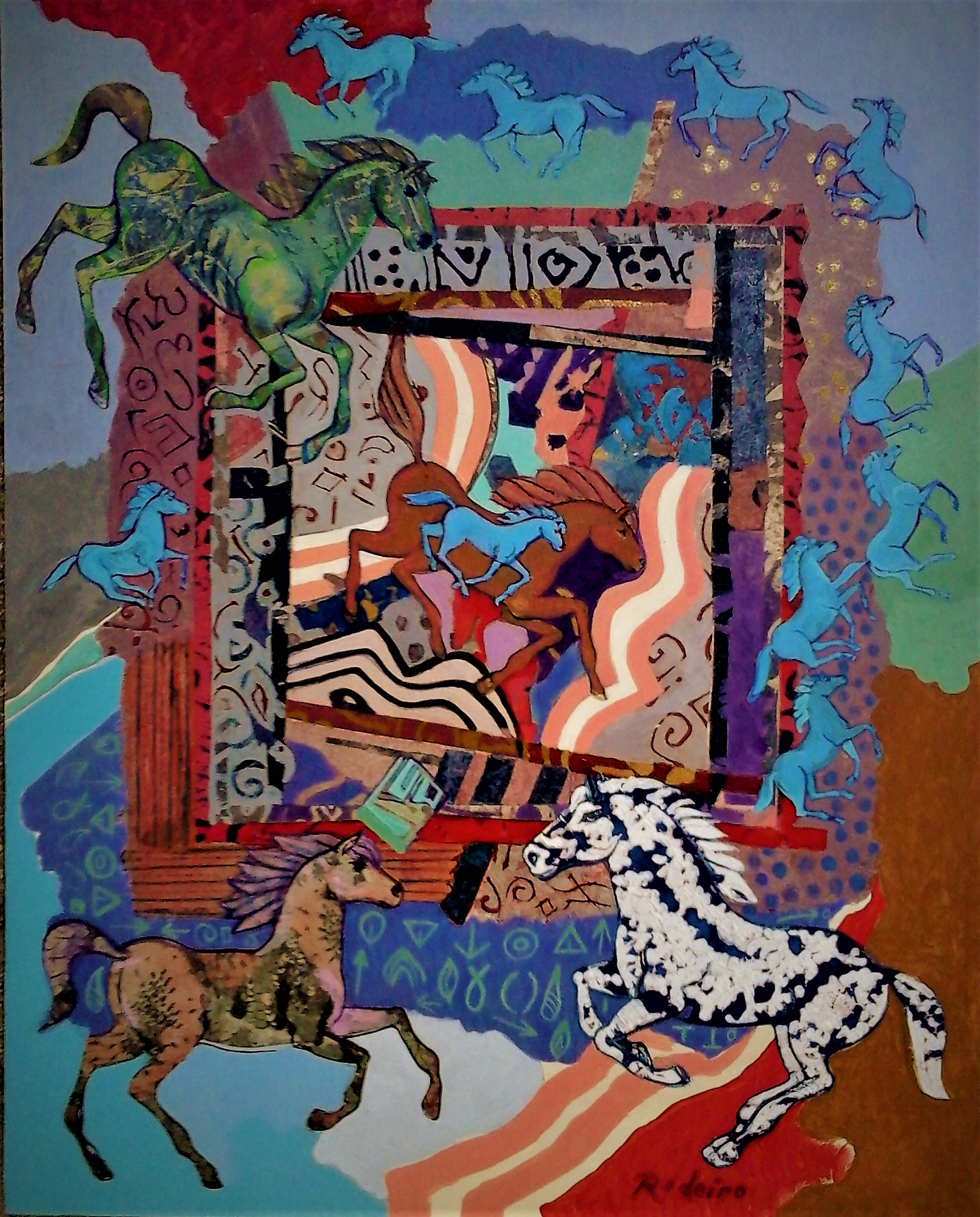
“New Constellations in a Vortex 3.”
16” x 20.” acrylic on Illustrators’ Board, 2020. (The Collection of Christina Aversa Alderdice).
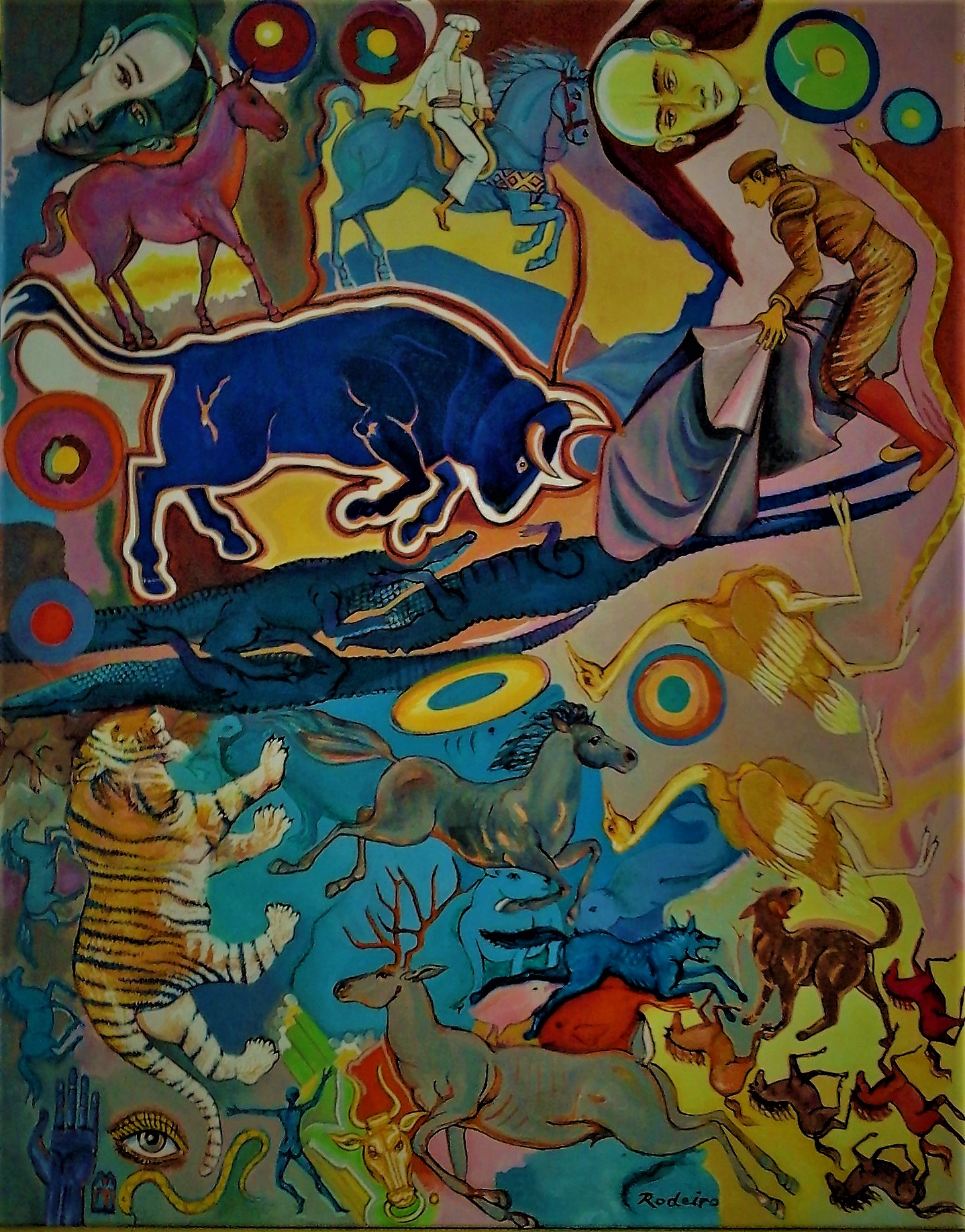
“At 5 O’clock in the Afternoon,”
22” x 28.” acrylic on canvas, 2017.
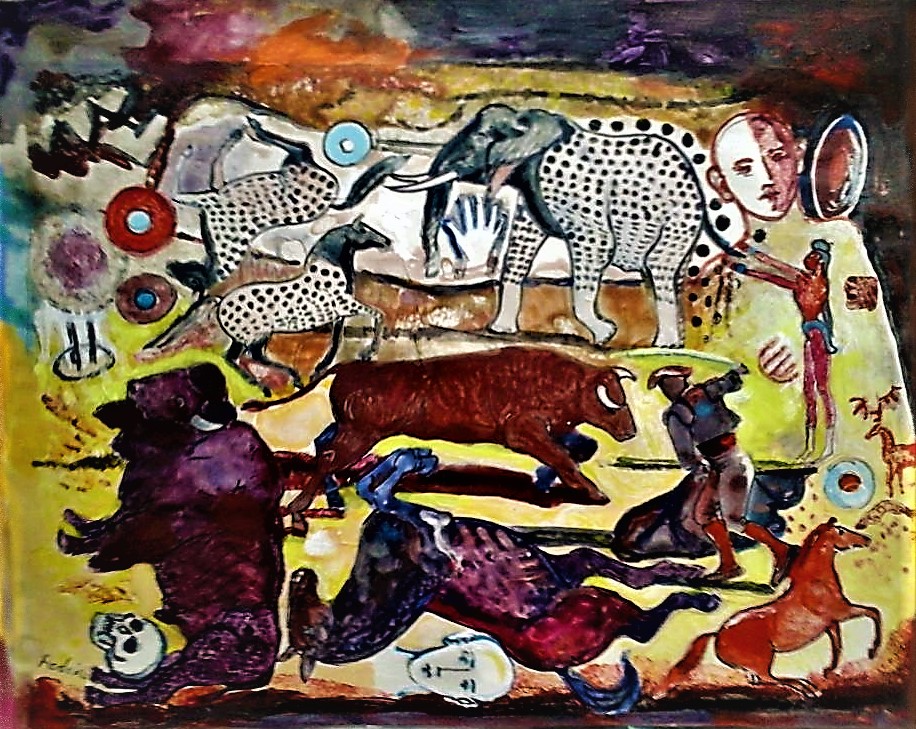
“Zoomorphic Duende Circus.”
10” x 8.” amazar materials. 2019. …..The “new” DUENDE ART wix-site location: https://svillamizar.wixsite.com/duende .
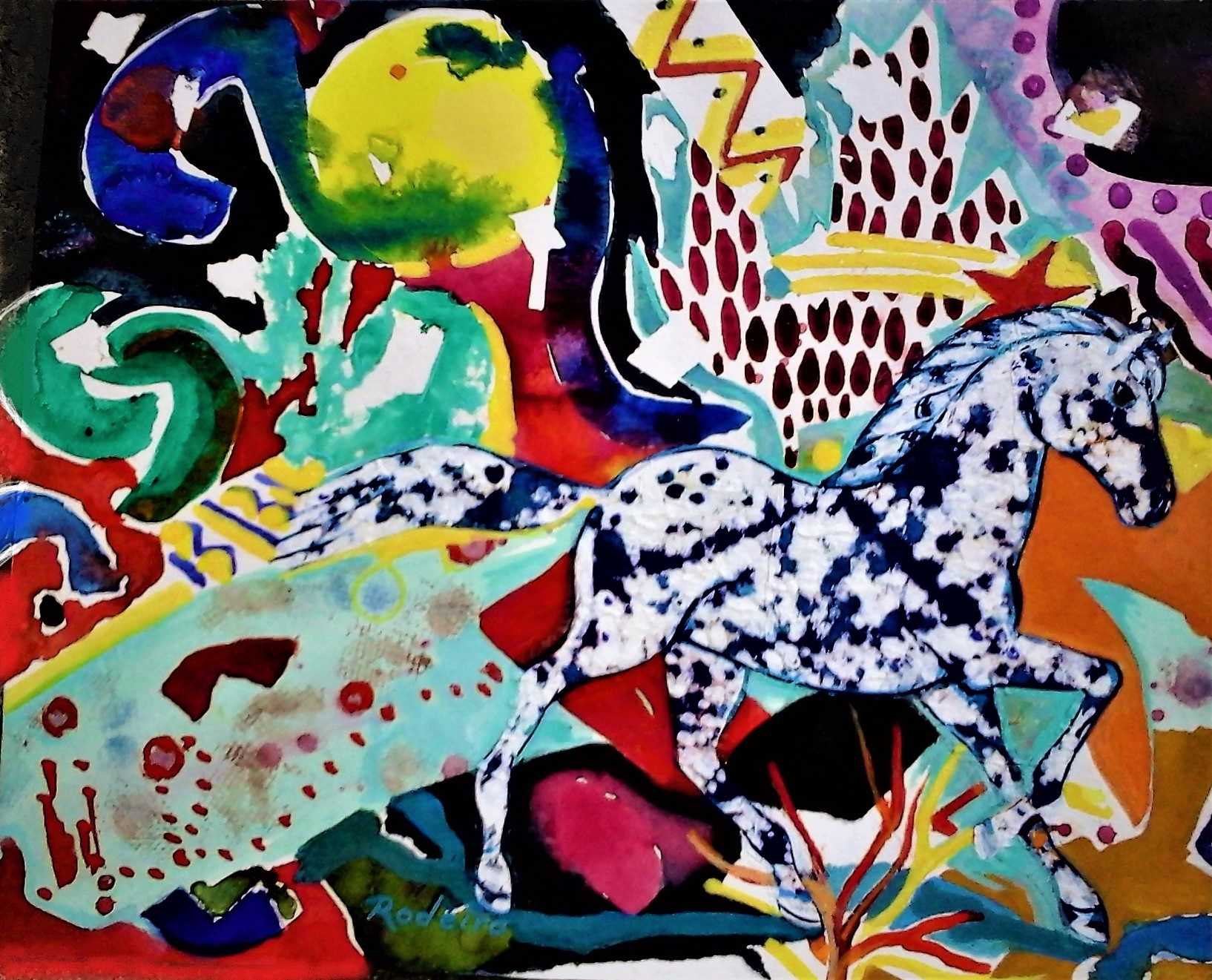
“An Appaloosa by Nez Perce Creek,”
Watercolor, 11”x 9.” 2020.
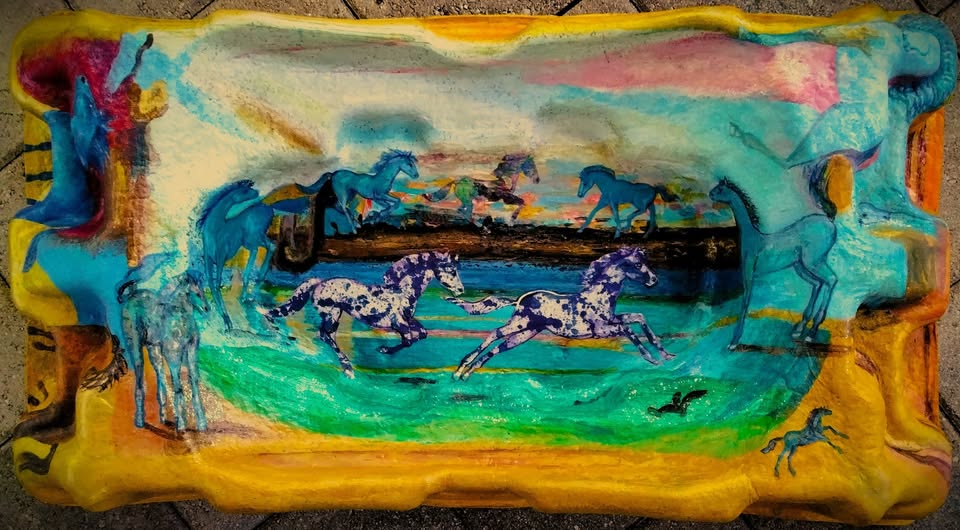
“Neo-Shamanic Painting 1,”
3-D amazar, 31” x 17 ½” x 5.” 2025.
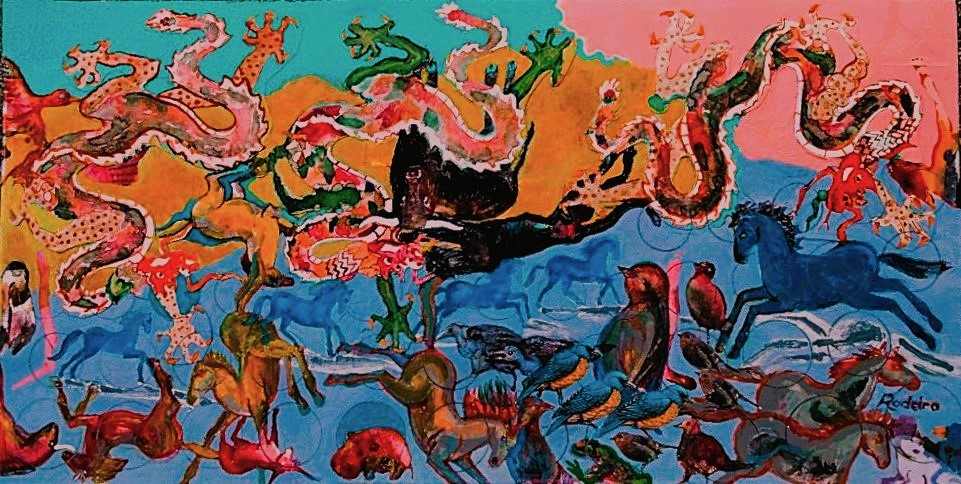
“Dinosaurs Are Birds.”
24” x 12.” amazar materials. 2020. (An imagined electron microscope image of SARS-CoV-2 the virus that causes Covid 19).
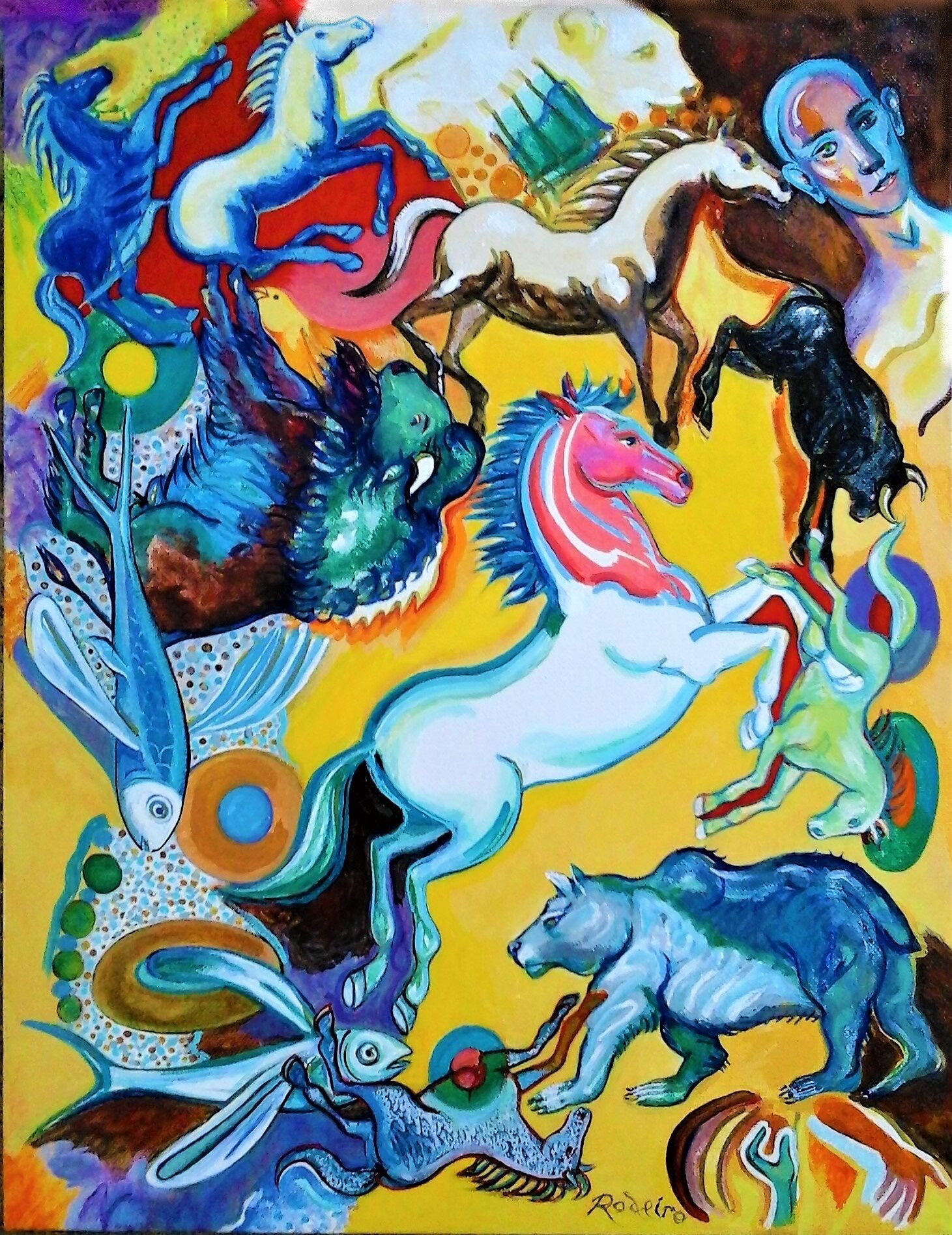
“New Constellations Andalusian Beach Dawn.”
acrylic on canvas, 18” x 14.” 2020.
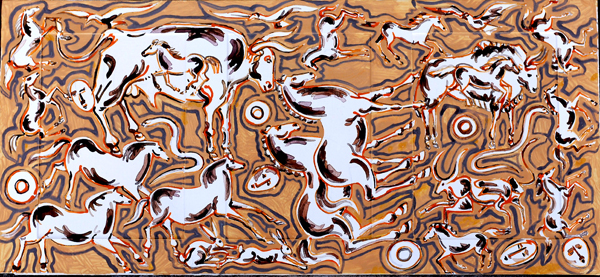
“Stampede on a Cuban Ranch.3”
gouache on cardboard. 9” x 20.” 2010.
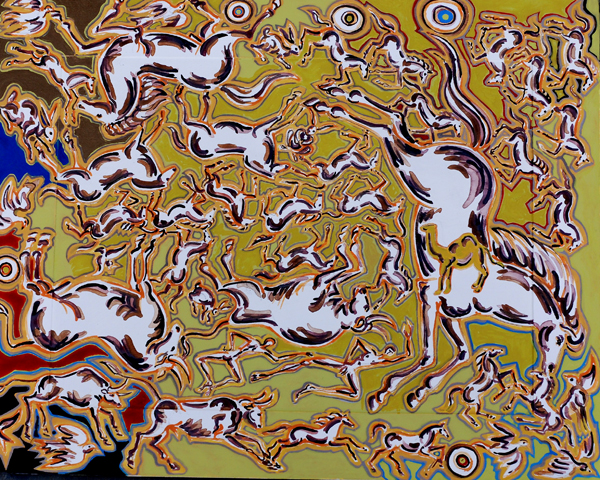
“Stampede on a Cuban Ranch.8”
gouache on cardboard. 18” x 24.” 2010.
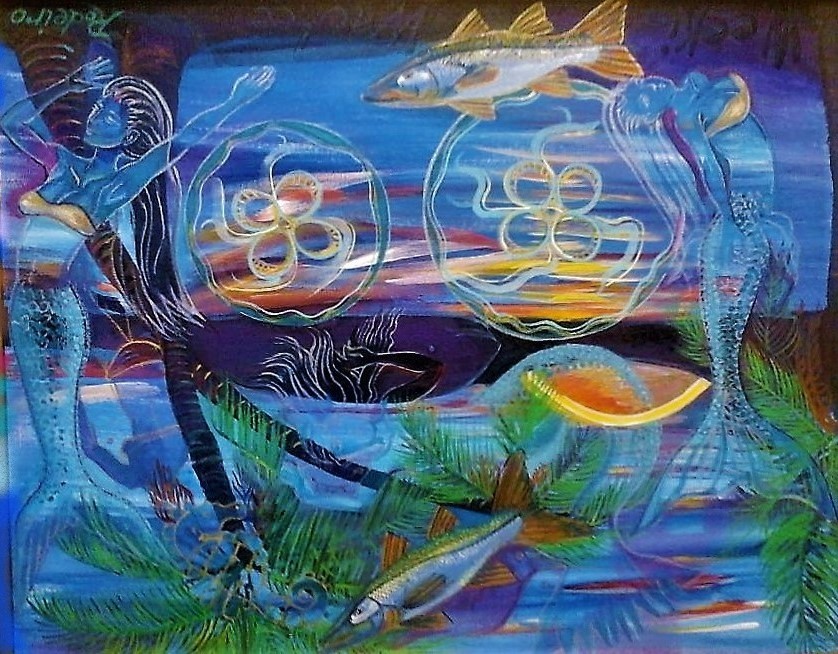
“New Constellations Weeki Wachee”
20” x 16”, oil on canvas, 2019.
The Essence of PRIMORDIALISM
“Poetry is blind painting and painting is deaf poetry.”
— Leonardo da Vinci.
From prehistory to the present, Primordial Art (or Neo-Shamanic Art) appears only when visual-creativity vividly expresses an animistic spiritual symbolization integrally derived from nature (herself) ˗˗ nature’s sublime essence. Primordial Art strives for ethereal psychic contact with the essence of nature’s soul, because during the act of creating art, animism links the shaman-artist to the universal source of all being: the eternal principle from which all things conceived arise to eternal life. Thus, Primordialism demands an extraordinary objective-subjective art generated by an animistic spark (inspiration), conveying innate individual intuitive visions infused by an inherent spiritual need to imaginatively create “visual-imagery,” as described in Shelley’s A Defence of Poetry (1821), affording objective-subjective linguistic images, whose alphabetical script (according to Shelley) derives originally from music, dance, or pantomime, which historically slowly evolved globally over thousands of years into the first 2-D & 3-D visual creations, engendering the first prehistoric shamanic animistic visual images that symbolically (abstractly) penetrate nature’s secrets, probing (via art) to discover how nature conceivably perceives herself as nature. Correspondingly, in this creative artistic Primordial search for the essence of nature, the shaman-artist congeals with nature to conjure animistic visual imagery fueled by an unexpected creative stimulus (volcanic hyper-intuitive inspiration) that in 1907, Henrí Bergson named primal élan vital, igniting a uniquely individual and inimitable creative process, a blind impetus rooted in nature’s interconnectedness defining art in Leibnizian terms as ‘the unity in diversity of all things,’ extolling art as a profound inherent unalterable passion to create art for self-survival first and then the salvation of others, as well as eventually the salvation of all existence, resulting in a nature-based neo-shamanic Primordial Art aimed at assuaging nature in order to attain her physio-spiritual bounty and nourishment first for the “art-creating” shamanic-artist and then the entire world. Thereby connecting the shaman-artist’s inner-self with a higher-power: who is an eternal principle from which everything emanates, affirming Cezanne’s maxim: “Paint therein lies salvation.” Or, as C.G. Jung argued in “Modern Man in Search of a Soul” (1933), that art is a kind of innate drive that seizes artists to serve (without free-will) as instruments of mankind’s collective unconscious.” Similarly, Keats’s “Theory of Negative Capability” (1817) maintained, that artists have no self; but, take on the self of their surroundings. For Keats (as Plato and Socrates also affirmed), chameleon shaman artists are not in control of the creative process, rather daemons, muses, or a Divine Being guide what ultimately manifests as art. Thus, in a trance-state animistic spiritual forces inhabit chameleon shaman artists permitting them to authentically “become one with” whatever they unintentionally depict. Marking this vibrant, spectacular, and spirited prehistoric return to the dawn of art, Rodeiro’s animistic zoomorphic images poignantly reflect upon the savage, lawless, cruel, and uncivilized age in which we live. His reliance on deep-rooted primeval creative inspiration, as well as innate individual intuitive visions and Bergson’s primal élan vital; all of which are determined to “shamanistically” release a veritable Primordialism (or Neo-Shamanism), which has manifested throughout his recent work; and, these two interchangeable terms (“Primordialism” or “Neo-Shamanism”) propel his intuitive creative process (aka artistic morphogenesis), gleaning enigmatic forgotten shapes from his form-seeking mental-milieu surrounding an Amnesis artistic lacuna, wherein dwells a lost immanent labyrinthic Amnesis mental cave whose cave-walls are furtively covered (or decked) with a push/pull of nearly-vanished animistic, shamanic, elemental or atavistic images, which are artistically transposed into morphogenic “form-forming” shapes that are painted with acrylic, oil, or other pigments upon prepared-surfaces.